

Category Filter
‘Una travesía de 25 años’, el documental sobre cómo Baleària se ha convertido en la naviera líder de España
Blog entreolas

‘Una travesía de 25 años’, el documental sobre cómo Baleària se ha convertido en la naviera líder de España


documentalGrup

Baleària estrenó el pasado 20 de junio, coincidiendo con el día de su aniversario, Una travesía de 25 años, un documental donde cuenta su historia a través del testimonio de 14 personas, entre expertos en el mundo naviero y testimonios en primera persona de toda la trayectoria de la compañía, que narran los logros y las vicisitudes de Baleària.

Con una duración de 45 minutos, el audiovisual cuenta los inicios de la naviera, las decisiones que empujaron su crecimiento y los momentos más complejos de su trayectoria, sin olvidar la mirada al futuro. Baleària ha contado con la compañía valenciana Crea Concepto para la elaboración del documental, cuya producción se ha desarrollado en Eivissa, Menorca, Barcelona, Dénia, Tánger y Miami. Los 25 años de historia se reflejan en este documental gracias al archivo de Baleària y los documentos personales de sus trabajadores, así como de medios de comunicación como Diario de Ibiza, Canfali y Televisió d’Eivissa i Formentera.


Una travesía de 25 años se estrenó a modo de premier el 16 de junio de 2023 en la sede central de la naviera en Dénia ante 300 personas y, desde el 20 de junio, coincidiendo con el aniversario de la fundación de la naviera, puede verse en el canal YouTube de Baleària.
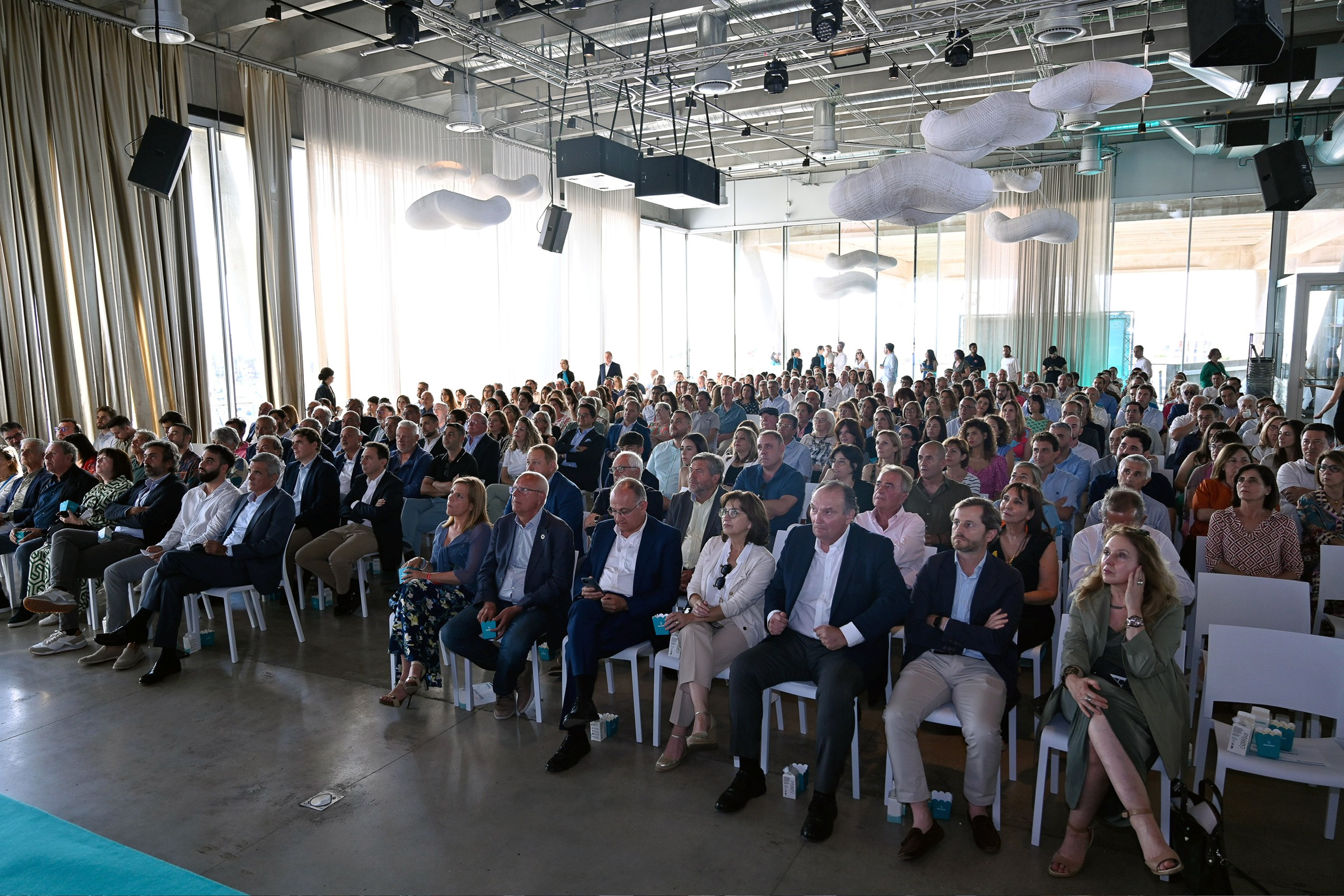
 

Visionado del documental durante su premier


Los orígenes

En la primera parte de esta pieza audiovisual, varios trabajadores de Baleària y el presidente de la compañía, Adolfo Utor, explican las circunstancias que los llevaron a crear «una naviera prácticamente sin barcos», en palabras de Javier Ortega, periodista especializado en el sector marítimo. «La empresa se inició a causa del desmoronamiento de Flebasa, cuya situación económico-financiera era muy inestable», explica el excapitán y expráctico de Eivissa Nacho Marí, quien destaca que «sin embargo, su capacidad de negocio era muy importante».

Empleados de la naviera de esa época cuentan como la Marina Mercante paralizó su principal barco, el ferry Manuel Azaña, y tuvieron que manifestarse para llamar la atención de la opinión pública y poder continuar con la actividad. «Noté una implicación espectacular de mis compañeros con la empresa, íbamos a todas para salvar lo que nos daba de comer», relata Teresa Costa, actualmente responsable de Consignaciones en Eivissa. Así, un grupo de trabajadores, encabezados por Utor, crearon Baleària. «Tomamos la decisión por necesidad» señala el presidente de la naviera, que recuerda esos inicios «con mucha ilusión y confianza en el proyecto» que, junto «con rigor y una austeridad extrema», permitieron sacar adelante la empresa.


Decisiones

En Una travesía de 25 años se relatan las principales decisiones que han marcado el rumbo de la naviera. Una en la que coindicen varios de los testimonios fue la puesta en marcha del fast ferry Federico García Lorca. «Este buque insignia supuso un punto de inflexión y un cambio de mentalidad en la empresa», recuerda Pedro Puertas, uno de los capitanes históricos de la compañía. «Fue una oportunidad, una financiera americana creyó en nuestro proyecto y posibilitó la construcción del primer barco a esta compañía», destaca Utor, que señala también como decisiva la fusión por absorción de la división naviera del Grupo Matutes, que permitió a Baleària «ganar en tamaño y prestigio».
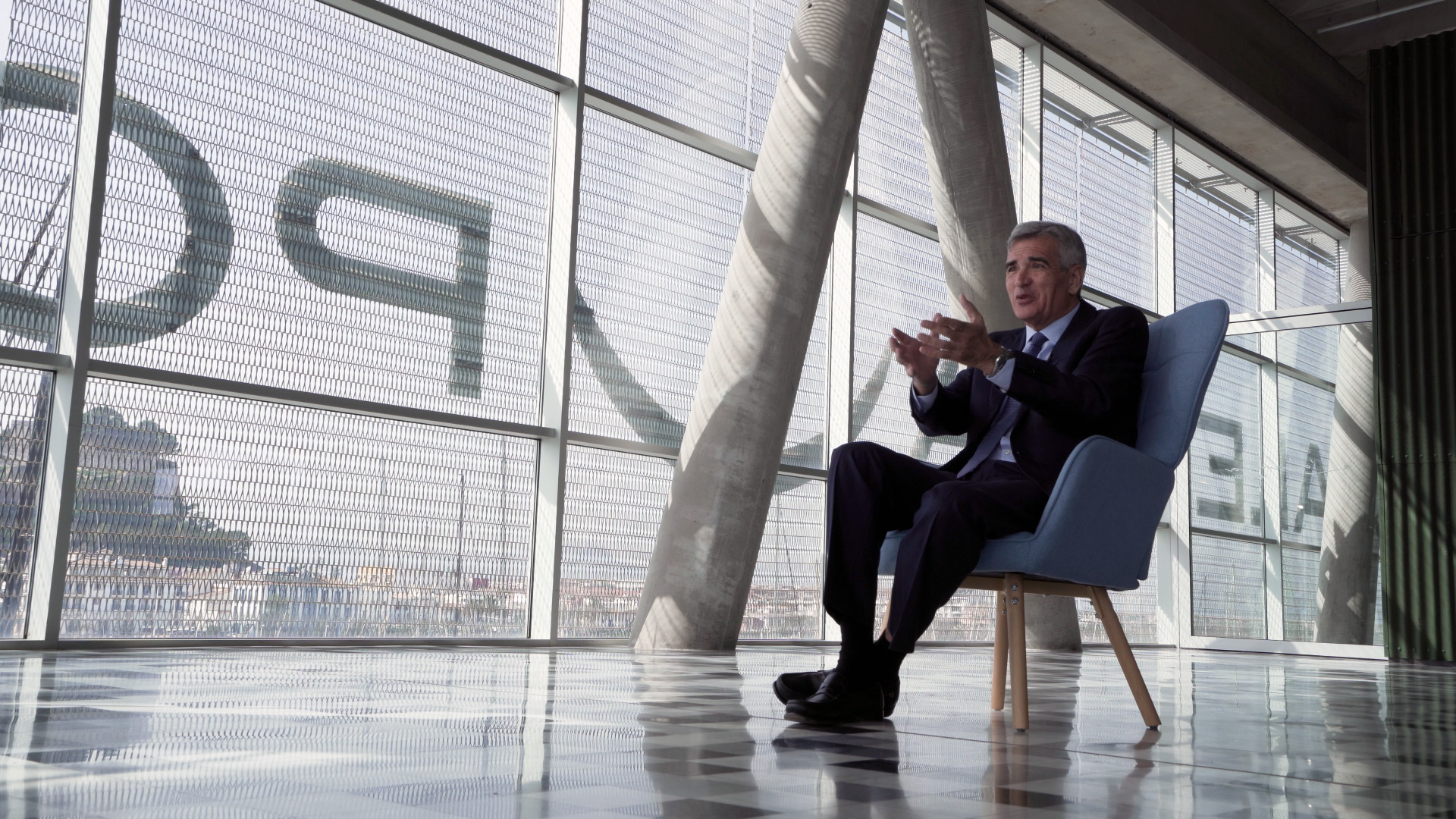
 

Adolfo Utor, presidente de la naviera que cumple 25 años, en el documental


El presidente de Baleària recuerda la crisis de 2008 como uno de los momentos de «extrema dificultad», que cogió a la naviera en plena construcción de cuatro nuevos barcos: «Estos ferries que tanto comprometieron nuestra viabilidad y liquidez fueron a la vez los que nos ayudaron a salir de la situación», destaca. Utor también subraya el hito del «salto al Caribe» que, a pesar de ser un proyecto que se ha visto frenado por la pandemia, cree que «deparará muchas noticias en un futuro» y destaca como la última de las decisiones relevantes la unificación de las acciones de Baleària en su persona.


Futuro

En la última parte del documental se detallan las claves del éxito del proyecto y se esbozan los planes de futuro. «La trayectoria de Baleària ha sido in crescendo» destaca Marí, que señala «la ilusión y el tesón» de la gente que forma parte de la empresa y recuerda que «ha habido que trabajar mucho y muy duro». En el mismo sentido se expresa Ortega Figueiral: «Con una estructura moderada se han hecho grandes cosas». Del crecimiento de la empresa también dan cuenta dos representantes de sus principales grupos de clientes: Lluís Moll, gerente de la compañía de transporte de mercancías Mascaró Morera, que valora «la proximidad, el contacto y la comunicación continua», y Pepe Costa, de la agencia de Viajes Mar Azul, que destaca el «crecimiento en frecuencias que ha supuesto una mejora para toda la población» de las islas.


Para los trabajadores que dan testimonio en el documental la implicación es la clave. «Sentimos la empresa como algo nuestro», destacada Federico Alarcón, responsable de Operaciones de Eivissa. «Ser de Baleària te exige un compromiso muy importante, y te lo hace salir de dentro de ti», opina el capitán Puertas. «Nuestro crecimiento ha sido consecuencia del esfuerzo y un componente de pasión, al que hemos añadido valores como la innovación, la sostenibilidad y la responsabilidad y la solvencia ética y económica», concluye Utor. Unos valores que se ejemplifican a través de proyectos como la Fundación Baleària («que expresa el compromiso con los territorios», en palabras de la responsable, Maribel Pérez), o la apuesta por la protección del medio ambiente: «Ser sostenible no es una opción, o se es sostenible o no se será», sentencia Utor, que cierra el documental destacando la plenitud de la empresa, a la que ve un futuro prometedor. 
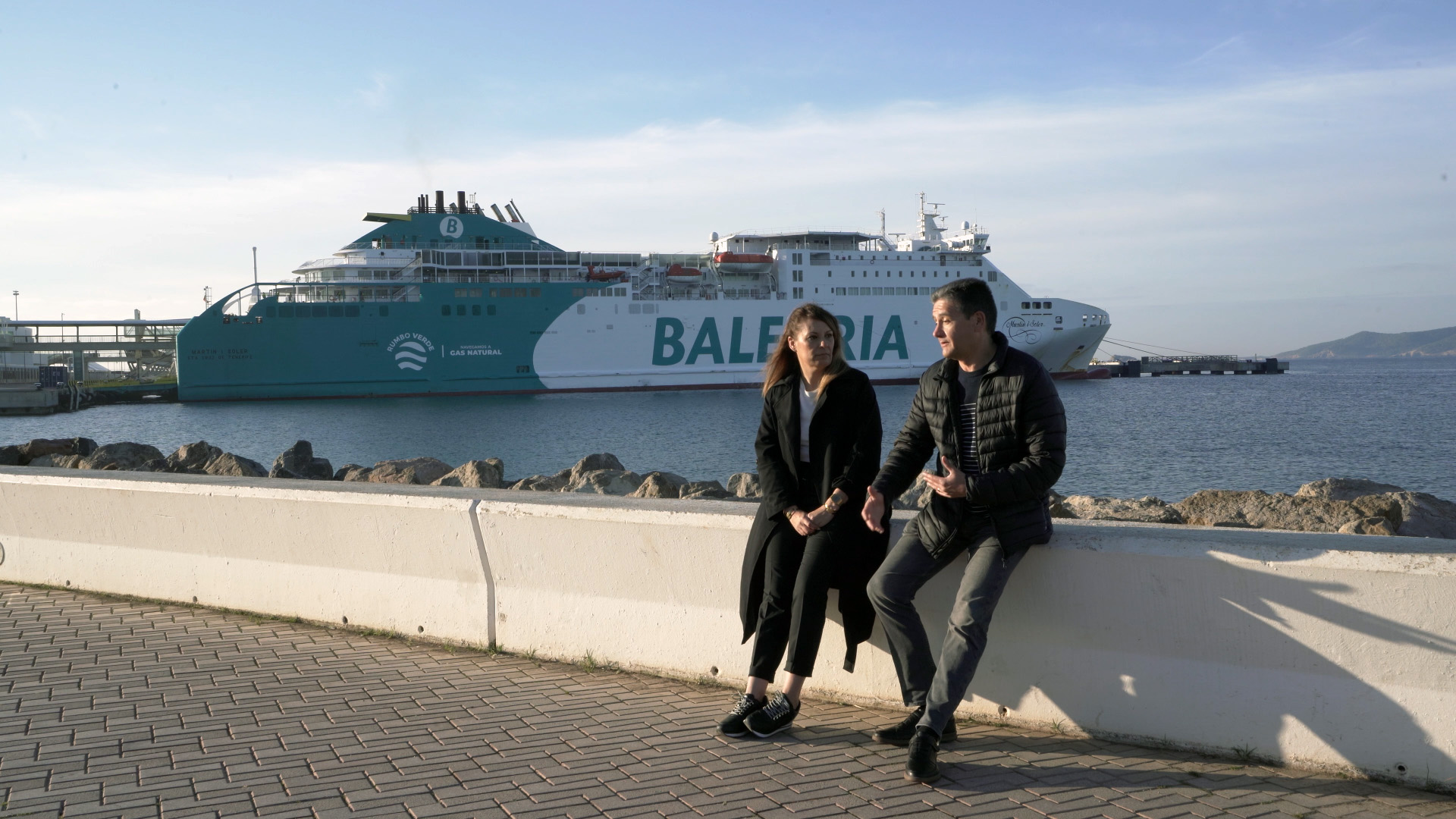
 

Los empleados de la naviera, Teresa Costa y Federico Alarcón, en su aparición en el reportaje

Asset Publisher
Morocco's Mediterranean side
Guías de viajes

Morocco's Mediterranean side

  This region is perfect for exploring cities with centuries of history and switching off amid natural landscapes and unspoilt beaches. From Tangier to Nador, here are ten places in northern Morocco to discover by motorhome.   Only a few kilometres separate Spain from Morocco; in less than an hour by ferry from southern mainland Spain, an entire country opens up that is best discovered slowly. The Rif massif dominates this Amazigh region and has shaped a landscape of small, remarkable roads that cross valleys and hug the coastline.   1: The gateway to Morocco Tangier This city is a gateway not only to Morocco but to the African continent. Located at a strategic point on the Strait of Gibraltar, it has Phoenician and Roman roots. The streets of the medina reveal both the Arab past and present, while this architecture mingles with 20th-century buildings dating from the period when Tangier was under international administration. Spanish influence can also be seen, for example in the Cervantes Theatre.   Tangier's ceramics reflect the colour of the sea   2: Views over the Strait Cape Spartel Cape Spartel, ten kilometres from Tangier, offers one of the finest views over the Strait. This is where the Atlantic gives way to the Mediterranean. The lighthouse here was one of the first in the country and has been operating since 1864. It stands within a nature reserve that fills up at weekends with Tangier residents looking to escape the city for a family day out. Nearby are also the Caves of Hercules and the Atlantic beaches of Sidi Kacem and Achakkar where surfing and other water sports can be enjoyed.     3: The Atlantic coast Assilah The narrow white streets of Assilah have become an open-air museum. Murals bring colour to the medina of this small Atlantic town. From the old-city walls you can see the ocean and the town's sandy beaches. It is the perfect place to stop and enjoy some fish.   Assilah's medina is recognised by UNESCO as historic heritage   4: The blue city Chefchaouen Morocco's blue pearl wins over travellers with its maze of lanes on the side of a mountain. The old town is a seemingly endless network of irregular streets lined with small shops selling souvenirs, clothes, food and spices. It is one of the best places to stay overnight and also a great base for enjoying the many walking trails in the region.     5: Switch off in nature Talassemtane National Park This natural park of almost 60,000 hectares is one of the treasures of the Rif Mountains. One of the best places to base yourself is the small village of Akchour, from where several routes set out into this mountainous area on foot or by bike. You can also see Atlas cedar forests and the waterfall named after the village.   Streams and natural pools abound in Talassemtane     6: The White Dove Tetouan Back on the Mediterranean, Tetouan is an essential stop. Its buildings are white, while in the medina this colour mixes with the green of many doorways. The old town is listed as a UNESCO World Heritage Site. Tetouan is also known as “the daughter of Granada” because of its Hispano-Moorish architecture. A few kilometres away lies Martil beach, the closest coastal area to the city and a good place to spend the night.   7: Sea and mountains Al Hoceima National Park Following the coastal road from Oued Laou towards Al Hoceima brings you to this national park, a vast landscape of nature and mountains that descend towards the Mediterranean. Between the cliffs and rocky stretches are small hidden beaches and coves such as Taoussarte and Taydiwine. Ospreys can also be seen hunting over these waters.   8: Mediterranean beaches Oued Laou Set between the mountains, the beach and small fishing village of Oued Laou are among the best places to stop, unwind and take a break from the journey. The road from Tetouan is one of the most beautiful in northern Morocco, following the coastline past cliffs and small rocky coves. Several campsites, shops and restaurants can be found near the village.   Green is associated with Paradise in Islam   9: The city on the cliff Al Hoceima This Rif city lies on the coast, surrounded by beaches and home to one of the most important ports in northern Morocco. It stands on an impressive cliff. Between 1994 and 2004, two major earthquakes struck the area, causing more than 500 deaths. It was also one of the centres of resistance to Spanish colonisation. Today, it is one of the most popular places for locals and travellers to spend their summer holidays and enjoy the calm Mediterranean waters.   10: The eastern coast Nador Nador is the final stop and the most important city on Morocco's eastern coast, only a few kilometres from Melilla. The city overlooks the Mar Chica, a saltwater lagoon connected to the sea. Following the road east, you come to the well-known Red Beach, a rocky beach, and the long Ras El-Ma beach, with several kilometres of sand. Close to the Algerian border lies the resort town of Saïdia, where you will find numerous large hotels and restaurants. 


Read more
Mallorca on foot and on two wheels
Guías de viajes

Mallorca on foot and on two wheels

  Mallorca's mild climate and good transport connections have led many walkers and, above all, cyclists to choose the island for their favourite sport. Here are ten routes to get your legs moving, either on foot or without leaving the saddle.   With 1,600 km of secondary roads and 468 km of signposted routes, Mallorca offers the perfect infrastructure for cycle tourism. Its diverse landscape —coastal, urban, rural and mountainous— also makes it ideal for exploring on foot. The experience is even better when the island is quieter, between October and May. 1: Contrasting landscapes along the old railway line The Manacor–Artà greenway This is not a circular route, so you will need to plan the return journey. At just under 30 kilometres, it is relatively easy and lets you enjoy a variety of landscapes without getting off the bike, following the old railway line. Starting east of Manacor, by the time you reach Artà you will have passed through tunnels and old stations and seen rural Mallorca, mountains, Mediterranean woodland and, in the distance, the coastline of s'Illot and Cala Millor. An easier alternative runs from Son Carrió to Son Servera.   2: Culture and the Serra de Tramuntana Valldemossa, Deià and Sóller The Valldemossa Charterhouse, where Chopin stayed, and Sóller's architectural heritage, particularly its Modernist buildings, make these two Serra villages well worth visiting. This road-bike route is for experienced cyclists. From Valldemossa, head to the Monastery of Miramar, founded by Ramon Llull, and Son Marroig, associated with Archduke Ludwig Salvator of Austria. Following the coast, you will reach Deià before descending to Sóller's Orange Valley. The route covers 36 km. 3: Mallorca's highest point, Lluc and the Cúber and Gorg Blau reservoirs Puig Major from Sóller Another demanding route for experienced cyclists, but one that belongs in this top ten because it climbs the island's highest peak. From Sóller, climb to the Monnàber tunnel, around 900 metres long. Roughly 2 km farther on is the military base, where permission must be requested to access Puig Major. From its 1,445-metre summit, you can enjoy some of the island's finest views. Afterwards, descend towards the Lluc Sanctuary, another essential stop, passing the Cúber and Gorg Blau reservoirs. From Coll de Sa Batalla, return to Sóller along the MA-10.   Walking among ancient stones 4: Beaches and natural parks by bike From Cala Egos to Es Trenc This non-circular road-bike route covers around 60 km. It takes in the coast of Santanyí and Campos and some of Mallorca's finest beaches. Starting in Cala Egos, head to Portopetro via Camí des Barranc, passing along the northern edge of Mondragó Natural Park. Continue alongside the torrent d'en Reieta to Santanyí, then cross this attractive town and ride on to Es Llombards, Ses Salines and Colònia de Sant Jordi. There you can leave the bike and, if the weather allows, walk for a while and take a dip in Es Trenc-Salobrar Natural Park or, at the other end, Es Carbó. All are spectacular beaches. 5: Great views of the Serra and the coast Planícia from Esporles This 30 km mountain-bike route is of moderate difficulty. Starting in Esporles, one of the Serra's prettiest villages, head towards Mirador de Mar along the old path that once linked the village with Port de Calonge. The views are spectacular. Return towards the MA-10 to descend towards Banyalbufar, but turn off first towards Planícia. Depending on your energy and available time, you can explore one of the three routes within this public estate. On the return journey, stop at the Es Verger viewpoint before continuing to another beautiful village, Banyalbufar, and from there back to Esporles. 6: Phoenician necropolis beside the beach Son Real The walk through the public estate of Son Real, in the municipality of Santa Margalida, is especially suitable for families. It is only around 2 km long, with no significant climbs or descents, and includes plenty to interest children. There are four possible routes, but the essential one leads to the impressive Punta des Fenicis necropolis, with burials dating from the Iron Age through to Roman times. And while you are there, you can enjoy a swim at the beach next to it.   Sea and mountains in Sóller   7: Family walking and cycling S'Albufera S'Albufera de Mallorca Natural Park, in the north of the island, is ideal for families. There are four routes that can be completed on foot or by bike: Sa Roca, Es Colombars, Es Cibollars and Es Camí d'Enmig-Ses Puntes. The longest, around three hours, is the last of these, but all of them offer the chance to enjoy the park's rich wildlife, particularly its birdlife.   8: One of Mallorca's most photographed horizons Torrent de Pareis There are several routes, some even suitable only for mountaineers, leading to the spectacular mouth of this torrent, one of Mallorca's most photogenic beaches. The classic route is the descent through the gorge from s'Entreforc, where the Gorg Blau reservoir flows out: it takes around 6 hours, covers 5 km and requires experience or a good guide. The easiest family-friendly option is the path beginning at Sa Calobra beach.   9: Ramon Llull's place of contemplation Cura Sanctuary If Ramon Llull chose this as a place for spiritual retreat, there must have been a reason. Our suggested route starts in the village of Randa before climbing to Cura Sanctuary, where the Mallorcan philosopher withdrew in the 13th century and founded his school. Along the way, as well as enjoying impressive views, you will visit the Sant Honorat hermitage and Nostra Senyora de Gràcia Sanctuary. On the final section, along Camí de Bon Pastor, you can see some galleries that were used as ammunition stores during the Spanish Civil War. The only real difficulty is the access to Puig de Son Reus. 10: Refuge for Trappist monks during the French Revolution La Trapa Several paths lead to La Trapa, a monastery founded in 1810 by French Trappist monks who, twenty years after the storming of the Bastille, decided to flee the country. Abandoned only a few years later, the estate was acquired in 1980 by the environmental group GOB to prevent development. The most popular route to La Trapa begins at s'Arracó cemetery. Another route from Sant Elm follows the coastline. A third goes via Coll de Sa Gramola and is a good choice when the rocks are wet. All of them provide exceptional views of the Sa Dragonera islet.   Horses accompany cycle tourists


Read more