

 English
 Spanish
 Catalan
 French
 Italian
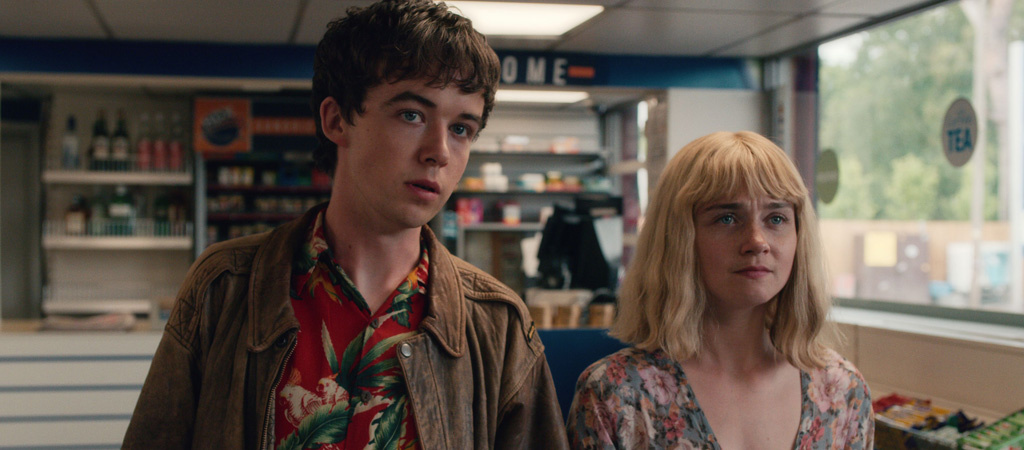
 La travesía en barco es el lugar idóneo para desconectar, relajarse o disfrutar haciendo lo que más nos gusta, como ver nuestras series favoritas. ¿Tú no la tienes? Aquí te dejamos algunas recomendaciones que como buen “seriéfilo” no te puedes perder a bordo: desde el retrato de aparente ‘ciencia ficción’ que nos muestra Black Mirror sobre el individualismo de la sociedad actual hasta los escenarios ochenteros de Dark, pasando por una serie que se sumerge en los entresijos del vaticano a través de Pío XIII, The Young Pope. Para todos los gustos. Black Mirror Black Mirror responde a las preguntas que llevan haciéndose muchas personas. ¿No nos estamos pasando con las redes sociales? ¿El desarrollo tecnológico sólo traerá beneficios? ¿Hacia dónde camina una sociedad cada vez más individualista? Las respuestas llegan en forma de capítulos que se sirven de una ciencia ficción que cada vez lo es menos. Todos son independientes entre sí, es decir, cada capítulo conforma una historia autoconclusiva. Aunque hay que reconocer que algunos capítulos bajan el nivel medio, esta propuesta se ha convertido en una serie de culto que conviene repasar de vez en cuando para ir con pies de plomo con las nuevas tecnologías. Merece especialmente la pena el titulado San Junípero, que obtuvo dos premios Emmy al mejor telefilme y al mejor guion. Plataforma: Netflix | Temporadas: 4 | Duración: Capítulos individuales de unos 60 minutos [caption id="attachment_2401" align="aligncenter" width="1000"]  Black Mirror[/caption] The Young Pope Un papa con toga y gafas de sol, joven y atractivo, fumador, bebedor de Cherry Coke y con las ideas tan claras como para citar a Banksy o Daft Punk. Es Pío XIII, el personaje que interpreta Jude Law en The Young Pope, extraordinaria serie dirigida por Paolo Sorrentino. El cineasta italiano traslada a esta serie las características que hicieron que crítica y público le aclamaran por películas como La Gran Belleza. Escenarios fascinantes, un ritmo lento y pausado, mucha observación y palabras como puñales forman parte de un trabajo en el que se descubren algunos de los entresijos del Vaticano. Con la participación estelar de Diane Keaton y la humilde pero gran presencia de Javier Cámara, el visionado de The Young Pope hay que afrontarlo con las mismas dosis de paciencia, curiosidad y capacidad de sorpresa porque, aquí, no siempre todo es lo que parece. Hasta el L’Osservatore Romano, el periódico oficial de la Santa Sede, se hizo eco de una serie que se queda marcada en la retina. Plataforma: Sky Atlantic, HBO y Canal+ | Temporadas: Una | Duración: Diez capítulos de unos 50 minutos cada uno. The end of the f***ing world Son los Bonnie and Clyde de la generación millenial y se llaman James y Alyssa. Ambos conforman una pareja tan especial como excepcional, donde el amor y la inocencia se mezclan con el miedo y un oscuro humor de calado típicamente británico. Con capítulos cortos, diálogos directos y un desarrollo de la trama que no deja de sorprender en cada secuencia, The end of the f***ing world -producida originalmente por Channel 4- es una de esas series que te ves de un plumazo sin haberte dado cuenta. Ayudan sus capítulos cortos, que acaban antes de pestañear. En total, dos horas y media para una historia tan absurda como perturbadora en la que dos adolescentes pretenden escapar, a su manera, del mundo tan mediocre que les rodea. La ambientación vintage, su excelente banda sonora y un completo elenco secundario hacen de esta serie uno de los productos más originales emitidos por Netflix. Sea cual sea tu edad, empatizarás hasta el infinito con James y Alyssa. Plataforma: Netflix | Temporadas: Una | Duración: Ocho capítulos de unos 20 minutos cada uno. [caption id="attachment_2402" align="aligncenter" width="1000"]
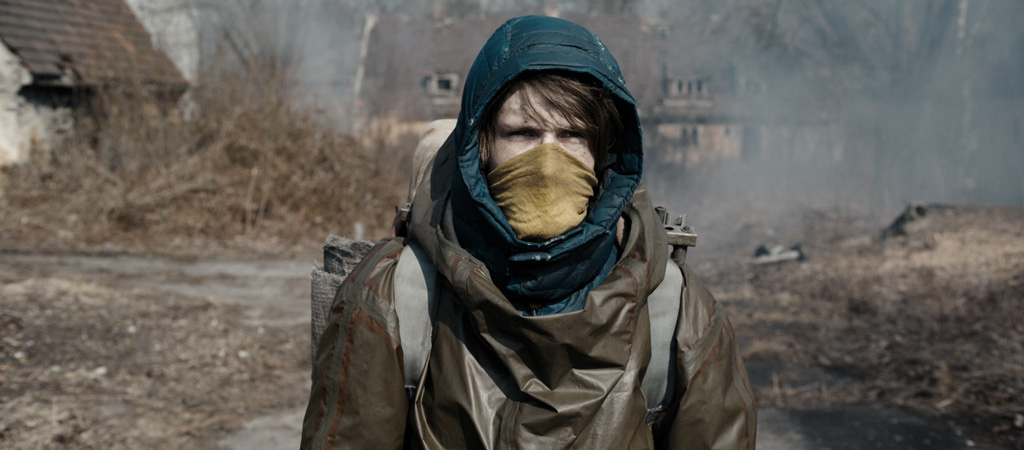
  The End of the F***ing World[/caption] Better Things Sam es actriz. No tiene mucho éxito, pero le es suficiente para seguir adelante mientras lucha contra los egos de Hollywood. Y también es una madre divorciada con tres hijas, con las que comparte casa en una zona acomodada de Los Ángeles. Juntas conforman una de las series más atractivas de los últimos años, que relata una vida llena de altibajos, de momentos emocionantes, de días tristes y días felices, de amor adulto y amor adolescente. Pero lejos de dramatizar, la familia afronta un día a día que no es fácil mientras unas y otras se descubren a sí mismas y la sociedad en la que viven. Está originalmente producida por FOX e ideada por Louie C.K y Pamela Adlon, quien también interpreta a la protagonista. El formato en capítulos cortos ayuda a disfrutar aún más de la fugacidad de Better Things, tan entrañable como divertida. Y sincera, porque en ella reconocemos la vida misma. Plataforma: HBO | Temporadas: Dos | Duración: Diez capítulos por temporada de entre 20 y 30 minutos cada uno. Dark Sin duda, Dark nació a la sombra de Stranger Things. Bosques, niños especialmente aventureros, sucesos extraños, investigadores policiales, escenarios de los años 80, bicicletas y cierto trasfondo filosófico son también parte de esta serie. Sin embargo, la narración incluye oscuras situaciones familiares y una forma de contar mucho más pausada y reflexiva que la serie norteamericana. La acción sucede en un pequeño pueblo teutón llamado Winden a partir de la desaparición de dos menores. Con una atmósfera oscura y llena de tensión y misterio, su desarrollo la hace cada vez más inquietante e interesante, con lo que es muy difícil no apuntarse a un maratón para verla seguida. Como curiosidad, se trata de la primera de producción alemana que puso en marcha Netflix. Ya tiene su segunda temporada confirmada, aunque llegará en 2019. Plataforma: Netflix | Temporadas: Una | Duración: Diez capítulos de unos 50 minutos cada uno. [caption id="attachment_2403" align="aligncenter" width="1000"]
  Dark[/caption] Nacho Sánchez | Periodista

 X
X 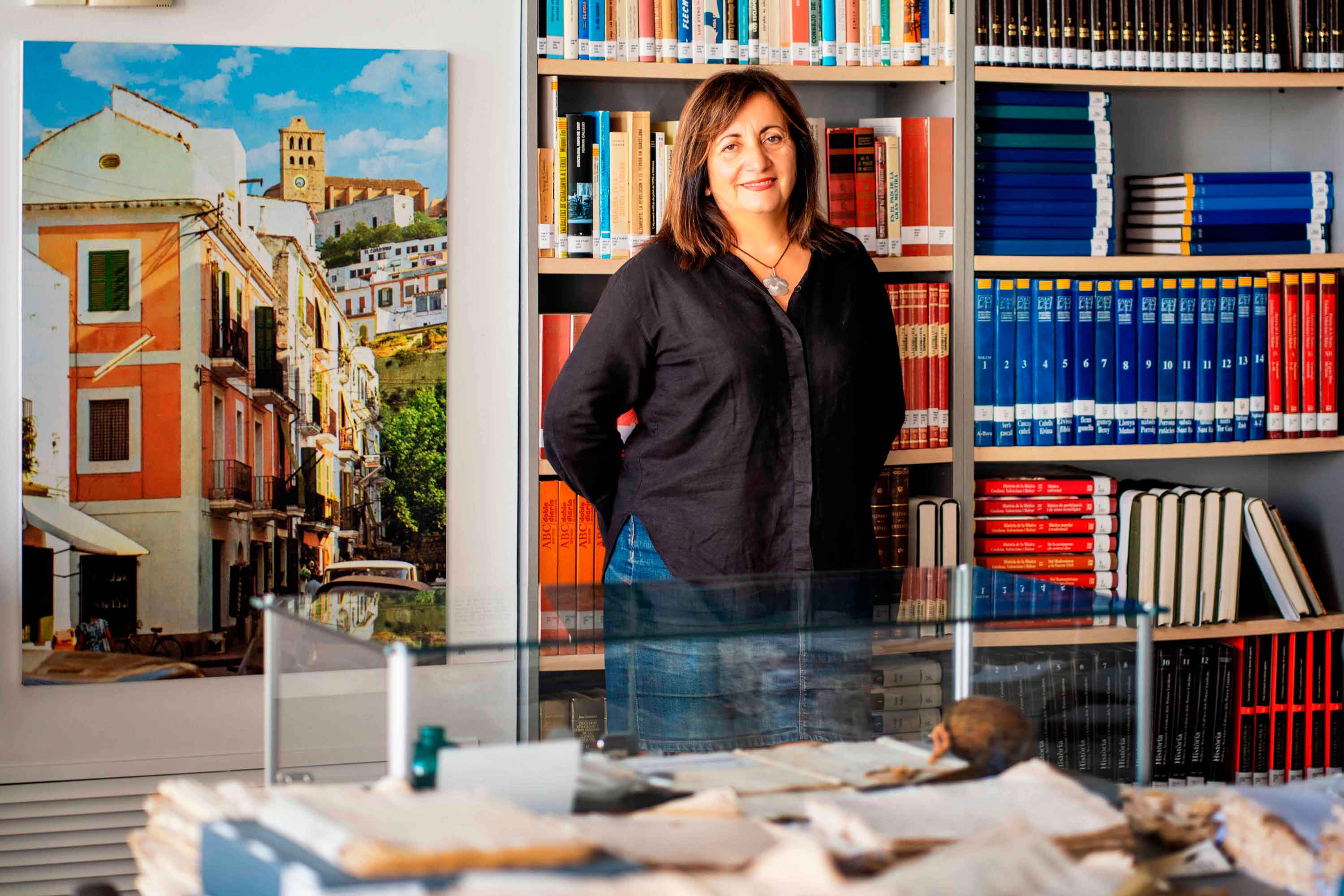
Historias del mar
Fanny Tur: «Baleària ya forma parte de la historia del transporte marítimo»
Ibicenca, activista medioambiental, historiadora, directora del archivo histórico de Eivissa… Fanny Tur Riera desempeñó, entre otros cargos públicos, el de consellera de Cultura del Govern Balear entre 2017 y 2019. Desde esta perspectiva, su análisis con visión histórica cobra valor: «Baleària ya forma parte de la historia del transporte marítimo de las Balears y del Mediterráneo», afirma antes de reflexionar sobre lo que supuso la irrupción de la naviera, ya que «los monopolios nunca son buenos y diversificar la oferta siempre tiene que beneficiar al usuario». En clave cultural y de género, esta historiadora destaca de la naviera Baleària cuestiones como «la atención en y al catalán, o poner nombres de mujer a algunos barcos, mostrando que la historia también la escribimos las mujeres». Desde la perspectiva ecologista, Tur Riera valora el compromiso de Baleària con la sostenibilidad partiendo de que «la actividad humana en general y el turismo y la gran movilidad en particular tienen unos efectos devastadores sobre el mar y el territorio». En este sentido, destaca, «todas las medidas que se pongan en práctica para minimizar los efectos de la masificación, como por ejemplo emplear energías renovables y colaborar con entidades ecologistas, ponen un grano de arena en una lucha que hace tiempo es imprescindible para la misma supervivencia». Pero si algo destaca de la aportación de Baleària esta exconsellera de Cultura del Govern Balear es el papel desempeñado por la Fundación Baleària, que ha hecho que «la creación pueda viajar a nuevos escenarios y no se quede en el lugar de origen. Para enriquecerse y crecer, el arte y la creación se tienen que mover mientras conservan sus raíces bien fuertes». Y ello, subraya, en combinación con la gestión de espacios culturales «en diferentes lugares —lo que desde la Fundación Baleària llaman las Llonges de la Cultura—, facilitando así que puedan acoger actividades, encuentros, investigación, muestras colectivas y creadores de todo el país para que se puedan encontrar y enriquecerse mutuamente» porque, reflexiona, «el arte y la investigación son trabajo propio, pero también son puesta en común y conocimiento mutuo». Creación cultural «En definitiva —asegura Fanny Tur— Baleària a través de su fundación ha hecho posible que la creación tenga movilidad, circule, se muestre en nuevos escenarios, porque así crece y encuentra nuevos paisajes… ha contribuido a la relación y el conocimiento mutuo entre creadores, facilitando que se encuentren, se conozcan y, en definitiva, que establezcanvínculos». En el caso de Balears, Fanny Tur considera que la de Baleària y de su fundación han sido una magnífica aportación favorecedora de la articulación social y cultural, además de subrayar la revitalización que ha supuesto la conexión, en todos los ámbitos, entre Dénia y Eivissa.
Read more

Historias del mar
De grumete a capitán. Vocabulario marítimo básico (I)
¿Dónde queda babor y estribor? ¿Cuál es la diferencia entre manga y eslora? Seguro que has oído una y mil veces términos como estos pero todavía te siguen generando dudas cuando subes a bordo de un ferri. No te preocupes, hemos preparado un glosario básico de léxico marítimo para que alimentes tu vocabulario y disfrutes todavía más de tu experiencia de viaje. Deja atrás tus titubeos de grumete y presume de hablar con la propiedad de un capitán. ¿Empezamos? PARTES DEL FERRI CASCO. El cuerpo del buque. La estructura ‘en neto’, sin máquinas, mástiles ni elementos accesorios para la navegación. CUBIERTA: Cada uno de los pisos de una embarcación. Forman la estructura que permiten un espacio habitable para la tripulación y el pasaje. Los barcos tienen varias cubiertas, tanto para la bodega -donde se ubica la carga y los vehículos- como para las zonas de pasajeros –con salones, áreas de butacas, restaurantes, etc.- siendo la principal la superior. QUILLA: Es la columna vertebral del barco. La pieza de hierro que va de popa a proa por la parte inferior del barco y en que se asienta toda su armazón.Constituye el principal refuerzo estructural de la embarcación, en el que se encastan los demás y sobre el que descargan su peso. [caption id="attachment_1776" align="aligncenter" width="800"] Corte transversal del ferri Martín i Soler de Baleària, donde se diferencia el casco, la quilla y las diferentes cubiertas.[/caption] VOLUMEN Y DIMENSIONES ESLORA: La longitud de la embarcación. O dicho de otra manera, la distancia de punta a punta de la estructura del buque. MANGA: La anchura (máxima) de un buque. PUNTAL. La altura de la bodega de la nave desde la quilla hasta el extremo de la cubierta superior. DESPLAZAMIENTO: El volumen de agua que desplaza la parte sumergida del barco. Es decir… el peso del barco. Ahora se entiende mejor ¿verdad?. POSICIÓN EN EL BARCO PROA y POPA. La proa es la parte delantera del barco. Tiene forma de cuña para que el buque pueda "cortar el agua”. Por el contrario, la popa es la parte posterior de la estructura del buque. BABOR y ESTRIBOR. Por babor se considera el lado izquierdo de un buque, mirando desde atrás hacia delante, esto es de popa a proa. Estribor es la banda o lado derecho de un buque, mirando desde atrás hacia delante, esto es de popa a proa. OBRA VIVA y MUERTA. La viva es la parte del casco bajo el agua. Es decir, desde la quilla a la línea de flotación a máxima carga. La muerta, la parte del casco que sobresale del mar MANIOBRAS ARRIAR. Aflojar o soltar un cabo (las cuerdas de a bordo). También se utilizan los términos LASCAR (aflojar) y LARGAR (soltar). Una advertencia: a bordo de los barcos sólo hay una cuerda, la del cronómetro. Las demás se llaman CABOS (y en los barcos grandes ESTACHAS). VIRAR. Lo contrario de arriar, es decir COBRAR o recuperar un cabo o el ancla, cuando el buque se encuentra fondeado. Por cierto, la maniobra de virar es propia de buques de vela y no tanto de ferris. ATRACAR. Operación para ubicar el buque en el lugar previsto del muelle. Concluye en el momento en que la embarcación AMARRA (o ata firmemente) el último cabo al NORAY o bolardo del muelle. Por cierto, la maniobra contraria a ATRACAR ser llama DESATRACAR. Lógico ¿no? BARLOVENTEAR. Maniobrar aprovechando la fuerza viento (a favor o en contra) para que el impulso sea lo más favorable a la embarcación. Por ejemplo, en el caso de una operación de atraque. CAPEAR. Se trata de una maniobra de navegación con mal tiempo. Consiste en tratar de mantener la proa al viento y con poca velocidad, para conseguir una trayectoria controlada y segura hasta que amaine el temporal. FONDEAR. Posicionar el buque en aguas establecidas para el anclaje. Y hasta aquí, por esta vez. Si quieres seguir aprendiendo sobre ferris y transporte marítimo, sigue navegando con el blog Entreolas y no te pierdas nuestra próxima entrega de vocabulario.
Read more