Guías de viajes
Ibiza: much more than nightclubs
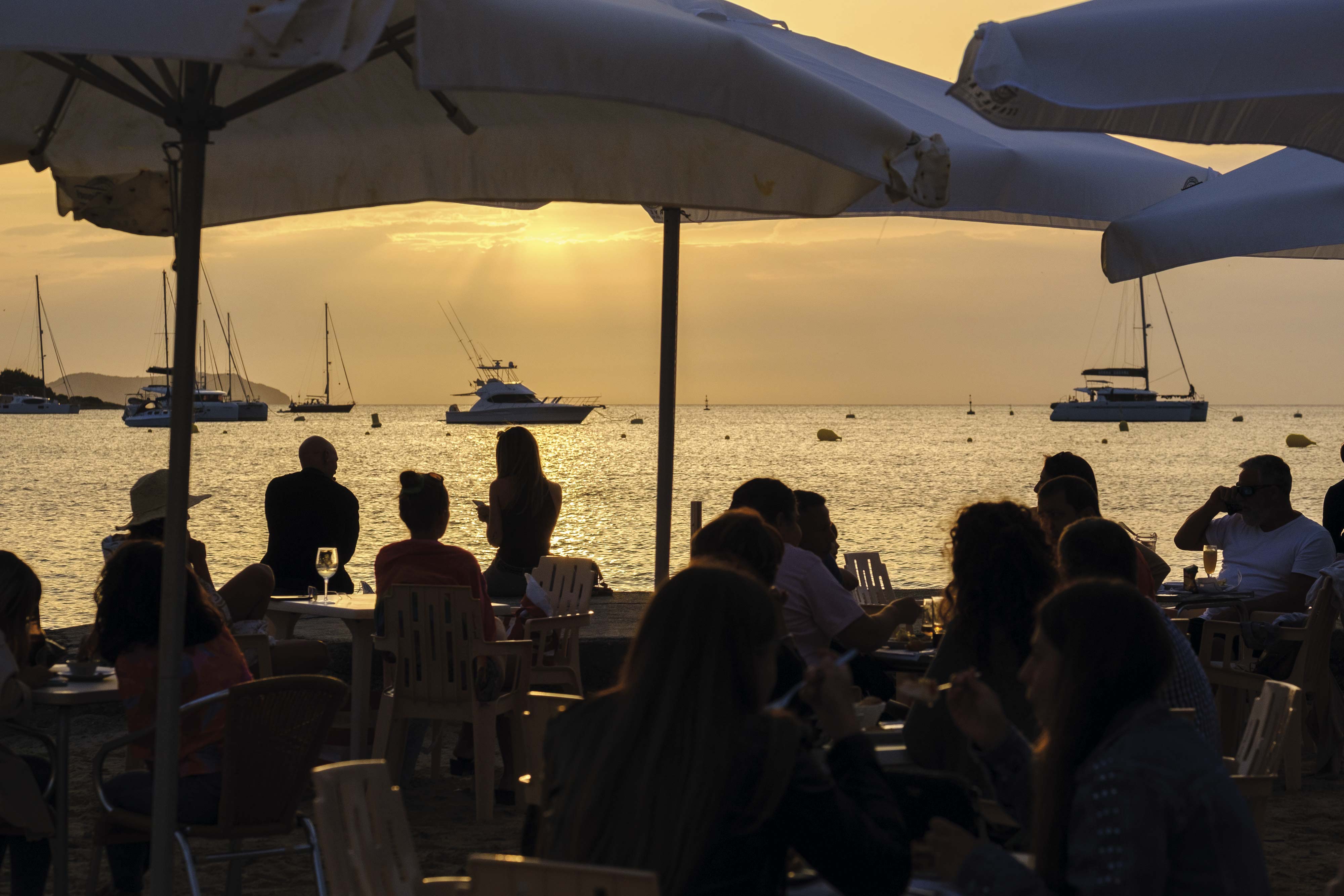
Ibiza was the tourist destination that weathered the Covid crisis best in 2021, when restrictions were still preventing clubs from opening. Its coves, food, markets and rich cultural heritage, recognised as a World Heritage Site, help explain why the island remained so popular even at the worst point of the crisis. At 572 square kilometres, every part of the island is easy to reach. Even so, you always leave wishing you had a few more days to continue discovering everything it has to offer. Day 1: 09:00 Breakfast in Santa Gertrudis. This is the heart of the island, one of its most picturesque villages and a place renowned for its food scene. The pedestrianised centre is packed at night, but in the morning it is also the perfect place for breakfast away from the tourist rush. Two good choices are the classic Bar Costa, with sandwiches made with tomato bread and cured meats, or the cosmopolitan Musset Café, with a varied brunch including vegan options. Santa Gertrudis 10:00 The “fameliar” bridge. In just 15 minutes by car you reach Santa Eulària des Riu, which takes its name from having the only river in the Balearic Islands. Today, only a channel of brackish water remains in its final stretch, but the walk from the old bridge is well worth doing. Legend says one of the little creatures of Ibizan mythology is born here: the fameliar. 11:00 The fortified church. A few metres from the bridge stands Puig de Missa, a hill crowned by the finest example of the fortified churches that centuries ago offered shelter from Barbary raids. Puig de Missa, with the Mediterranean in the background 12:00 Snorkelling on the northern beaches. The north of the island is known for its rugged coast, broken up by sandy coves and dotted with small islets. This landscape makes it an ideal place for snorkelling. One good example is found in bahía de Xarraca, with the cove of the same name, the corner of S’illot des Renclí and Cala Xuclar. 15:00 Lunch by the sea. At S’illot des Renclí there is a good restaurant for trying the iconic bullit de peix, a fish stew served in two courses with arroz a banda, while secluded Cala Xuclar has a small beach bar serving fresh fish. “Bullit”, a typical Ibizan dish 18:00 The village of the markets. Sant Carles was the epicentre of the hippies and nearby are the island’s two emblematic markets: Punta Arabí, open on Wednesdays, and Las Dalias, a place of pilgrimage every Saturday and on Monday, Tuesday and Sunday evenings. 21:00 Starting the evening. Opposite Sant Carles church is Ca n’Anneta, a bar where time seems to have stood still. Its reputation comes from its popular tapas, montaditos and, above all, a famous homemade herbal liqueur. Day 2: 09:00 Breakfast facing the city walls. The Croissant Show is famous for French-pastry breakfasts opposite Portal de ses Taules, the main entrance through the Renaissance walls of the island’s capital. 09:30 Dalt Vila, a World Heritage Site. Inside the citadel, the essential sights include Santo Domingo Church, the cathedral and the seven bastions. It is also worth wandering aimlessly through the narrow streets and relaxing with a cocktail, fresh juice or a good tapa at S’Escalinata. Its stone staircase and colourful beanbags make it one of the most photographed corners of Dalt Vila. S’Escalinata in Dalt Vila is an excellent choice for tapas and drinks 11:30 The Phoenician-Punic cemetery. After leaving through Portal Nou, you reach the entrance to the Museo d’Es Puig des Molins, dedicated to the most important Phoenician-Punic necropolis in the Mediterranean. The visit includes the hypogea, underground burial galleries excavated from the 7th century BC onwards. 13:00 Archaeological sites. The historical route is completed by two sites whose locations alone make them worth visiting. The Phoenician settlement of Sa Caleta, beside a small fishing cove, was the island’s first urban centre. Fifteen minutes away by car, the rural settlement of ses Païsses de Cala d’Hort contains Punic, Roman and Byzantine remains as well as the traditional farmhouse of Can Sorà. 15:00 Lunch facing es Vedrà. The majestic islet of es Vedrà dominates the view all the way to Cala d’Hort. You can keep enjoying it over excellent rice dishes at Restaurante El Carmen followed by an afternoon on the beach. 20:00 Sunset in Portmany Bay. The southern side of the bay has become increasingly popular for sunset views thanks to places such as the Es Puetó beach bar, the chill-out area at Kumharas and the new auditorium at Es Caló de s’Oli. 21:30 Dinner in the gastronomic capital. Sant Antoni cemented its reputation as a culinary hotspot after Es Tragón earned the first of the island’s two Michelin stars. In the old town, historic Es Rebost de Can Pratsremains one of the leading references for traditional local cuisine.
Read more 






 English
 Spanish
 Catalan
 French
 Italian


 X
X