

 English
 Spanish
 Catalan
 French
 Italian
 Las playas de piedra no son para todo el mundo. A muchos no les gustan, pero otros las adoran. Por su intimidad, porque nunca están masificadas, porque no suele haber mares de hamacas, porque no vuelven a casa rebozados de arena… Los que aman estas calas saben que en la bolsa de playa no pueden faltar tres cosas: una toalla gordita, para amortiguar los bordes de las piedras bajo el cuerpo; unos escarpines, para proteger las plantas de los pies de las rocas de bordes afilados, y unas gafas de buceo, para no perderse el espectáculo de peces, pulpos, erizos y cangrejos que viven en el fondo rocoso. Es Colodar Son las cinco de la tarde en la playa de Es Codolar. Da igual si es invierno o pleno agosto. Apenas hay nadie. Sólo un cabo (Cap des Falcó) la separa de la popular Ses Salines. El sol del día ha calentado los cantos rodados. El agradable calor sube desde la planta de los pies. Sólo se oyen las olas del mar, a punto de comerse el sol en uno de los atardeceres más impactantes y diáfanos de la isla. [caption id="attachment_759" align="aligncenter" width="1000"] 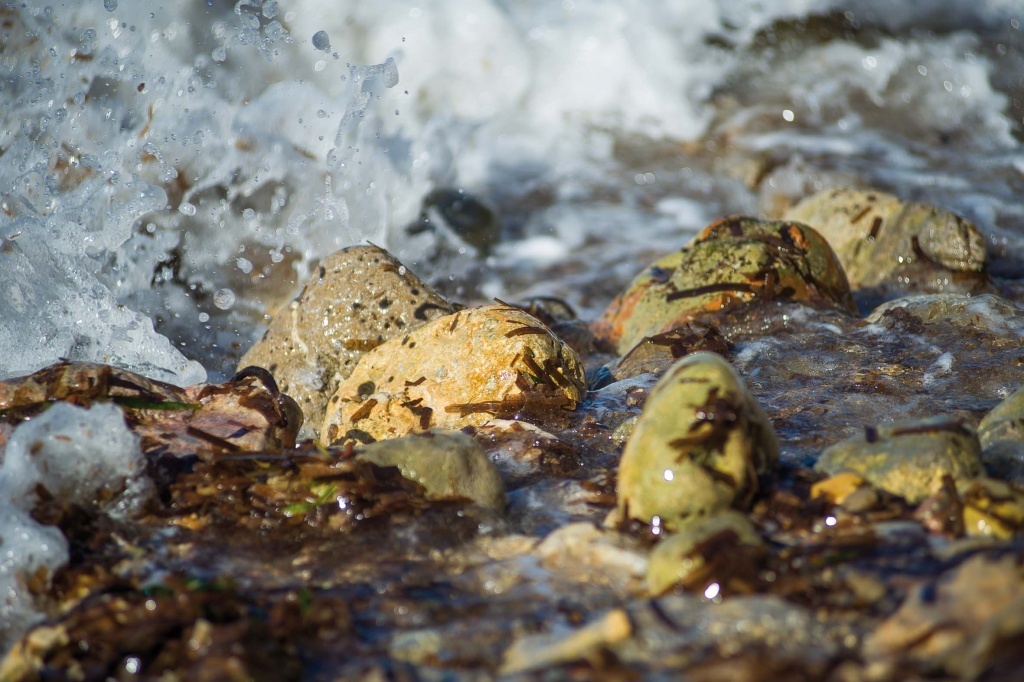 Autor: Sergio G. Cañizares[/caption] Se puede llegar desde dos puntos: la carretera que va a Es Jondal o el camino que pasa junto a los estanques salineros. Sea por donde sea la soledad está casi asegurada. En verano, en el centro de la playa de piedras, las voces de los clientes del chiringuito y el beach club suenan lejanas, casi como un gorjeo de pájaros. El agua es clara. Limpia. Para llegar a ella basta con caminar sobre las piedras más grandes y, ya en la orilla, aunque las olas sólo lleguen a las rodillas, lanzarse. Dejarse abrazar por el mar y nadar mar adentro. Bucear, sumergir la cabeza, escuchar el canto de las piedras, el roce de unas contra otras mecidas por el vaivén de las olas. Es Jondal [caption id="attachment_757" align="alignnone" width="1000"]
 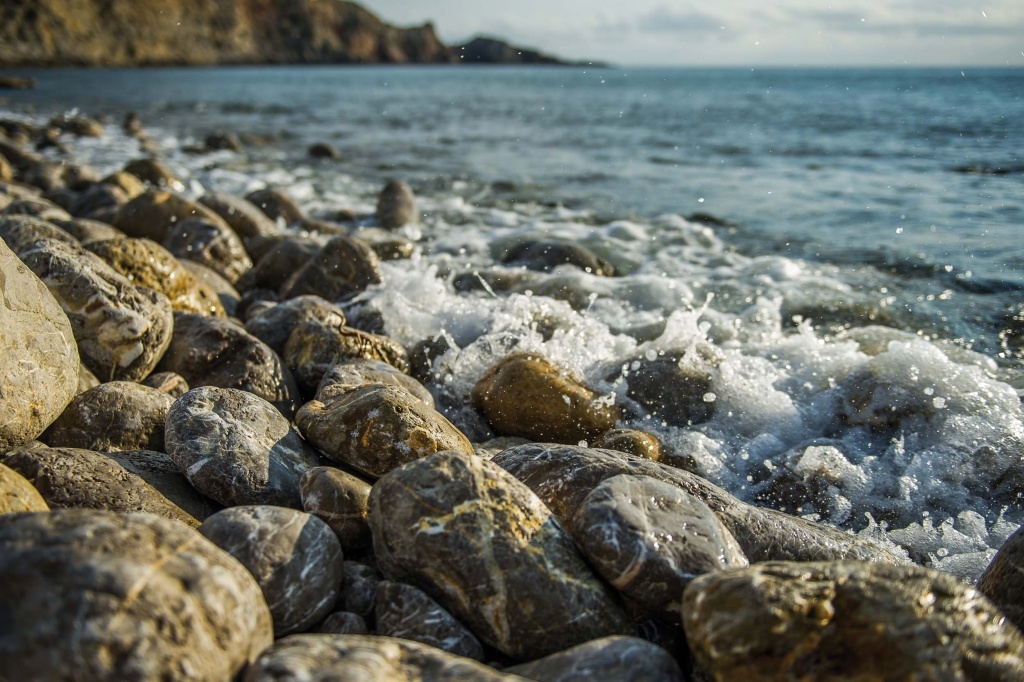 Cala Jondal (autor: Sergio G. Cañizares)[/caption] A sólo unos kilómetros, casi perdida entre camas balinesas, sombrillas mastodónticas, barras, mesas y cabinas de discjockey está Es Jondal, la playa de piedras preferida por antiguas generaciones de ibicencos. Ahora, aquel rincón de aguas tranquilas y frías en el que los domingos se saludaban las familias que afrontaban el día de playa con neveras y fiambreras se ha convertido en una de las playas más fashion de la isla. Al principio de la bahía, casi pegado a los altos acantilados que la separan de Porroig, aún queda un rincón libre de hamacas y sombrillas. Un rincón en el que conviven códols (piedras o cantos rodados) y arena, donde estirar la toalla y contemplar la vida de playa. Ver, entre chapuzón y chapuzón, yates impresionantes, espectaculares bañistas en triquini, bandejas cargadas del champán más caro… Escuchar, enlazadas con el rumor del mar, las risas cristalinas de quienes convierten la playa en fiesta, y la música de los platos de mezclas al sol. Cala Olivera y Cala Salada Ni fashion, ni música, ni glamour. Quienes se sienten en la minúscula Cala Olivera (escondida en la urbanización de Roca Llisa) sólo verán mar, cielo y rocas. Y sólo escucharán el viento y el mar. De piedras pequeñas, los restos de posidonia sirven de colchón. Igual que la arena en Cala Salada, a sólo unos metros (y un camino complicado) de la bellísima Cala Saladeta, donde las piedras, casi grava, resuenan bajo los pies mientras se avanza hacia el horizonte. Cala Xuclar [caption id="attachment_758" align="alignnone" width="1000"]
 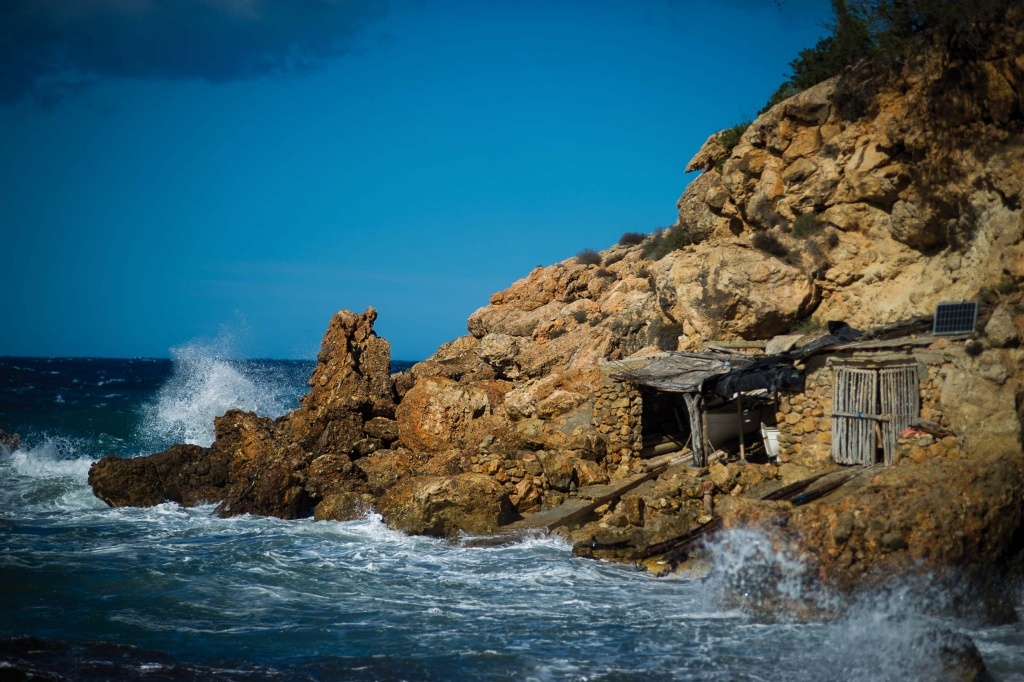 Cala Xuclar (autor: Sergio G. Cañizares)[/caption] Llegar a Cala des Xuclar, al norte de la isla, no es fácil. El camino que baja hasta la diminuta cala es empinado, apenas cabe un coche y hay alguna curva. El riesgo vale la pena. Metros de arena preceden a una orilla cuajada de pequeñas piedras. Arena para estirar la toalla. Piedras para disuadir a la mayoría. Llegar al agua y dejar que los pies se hundan entre las cuentas es uno de los placeres de esta cala. Esperar. Sentir cómo las piedras se van montando unas sobre otras. Notar el agua y las piedras resbalando sobre los tobillos. Cuesta renunciar a eso para avanzar sobre un fondo irregular, complicado, en el que la planta del pie tantea antes de pisar con convicción. Lo mejor es zambullirse de golpe, olvidar el suelo, nadar rumbo al norte entre los brazos que delimitan la cala. Si se acerca el mediodía es un espectáculo bucear mientras el personal del chiringuito arroja al mar los descartes del pescado del día. Decenas de peces se arremolinan buscando la comida fácil. Imposible apartar la vista. Siguiendo las rocas de la izquierda hay un tesoro. Una pequeña gruta. Sólo hay que sumergirse unos segundos para acceder a ella. La oscuridad de la cueva es un alivio para los ojos y la piel llenos de sol. Es fresca. Hay vida. Y todo un mundo por descubrir. Marta Torres | Periodista

 X
X 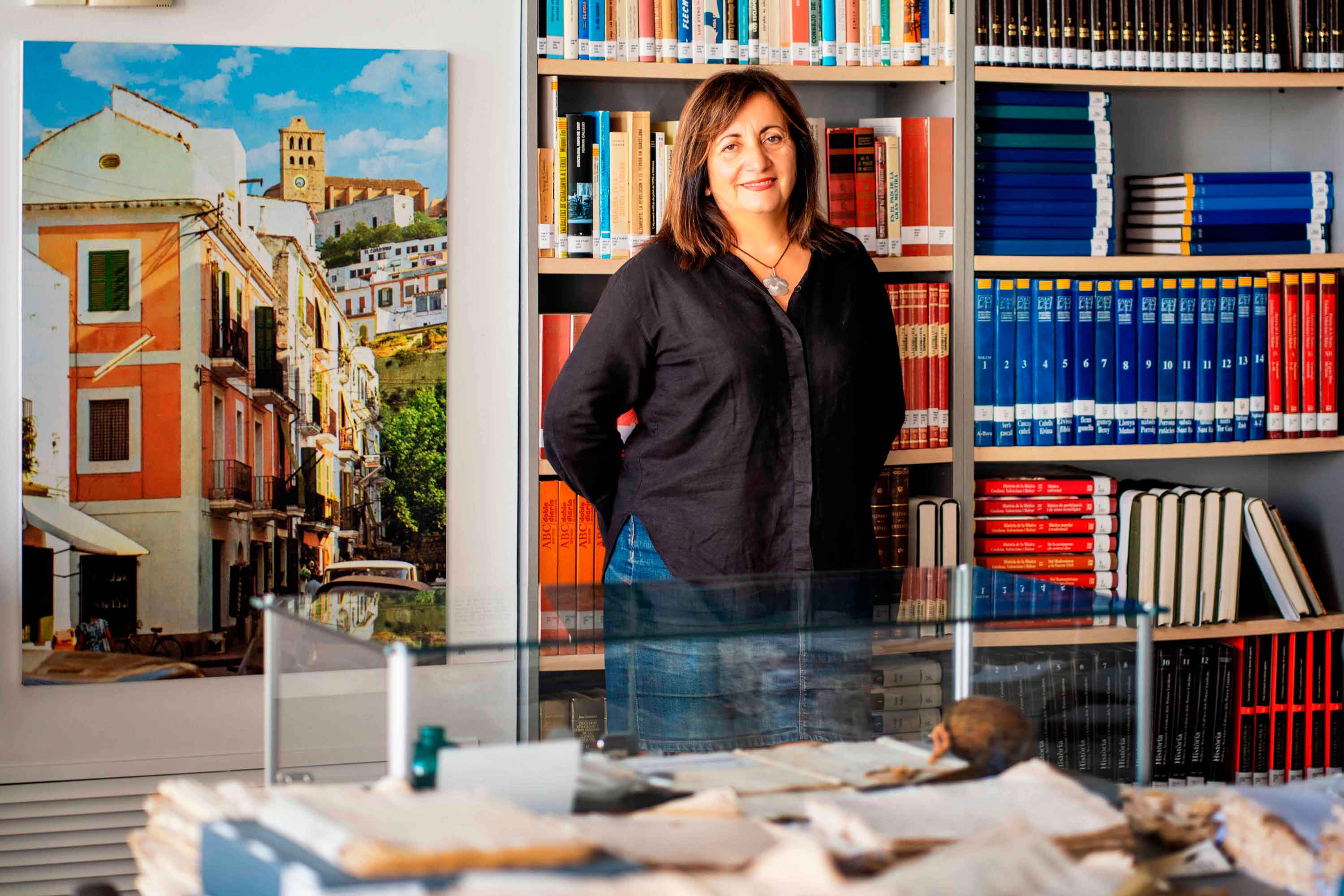
Historias del mar
Fanny Tur: «Baleària ya forma parte de la historia del transporte marítimo»
Ibicenca, activista medioambiental, historiadora, directora del archivo histórico de Eivissa… Fanny Tur Riera desempeñó, entre otros cargos públicos, el de consellera de Cultura del Govern Balear entre 2017 y 2019. Desde esta perspectiva, su análisis con visión histórica cobra valor: «Baleària ya forma parte de la historia del transporte marítimo de las Balears y del Mediterráneo», afirma antes de reflexionar sobre lo que supuso la irrupción de la naviera, ya que «los monopolios nunca son buenos y diversificar la oferta siempre tiene que beneficiar al usuario». En clave cultural y de género, esta historiadora destaca de la naviera Baleària cuestiones como «la atención en y al catalán, o poner nombres de mujer a algunos barcos, mostrando que la historia también la escribimos las mujeres». Desde la perspectiva ecologista, Tur Riera valora el compromiso de Baleària con la sostenibilidad partiendo de que «la actividad humana en general y el turismo y la gran movilidad en particular tienen unos efectos devastadores sobre el mar y el territorio». En este sentido, destaca, «todas las medidas que se pongan en práctica para minimizar los efectos de la masificación, como por ejemplo emplear energías renovables y colaborar con entidades ecologistas, ponen un grano de arena en una lucha que hace tiempo es imprescindible para la misma supervivencia». Pero si algo destaca de la aportación de Baleària esta exconsellera de Cultura del Govern Balear es el papel desempeñado por la Fundación Baleària, que ha hecho que «la creación pueda viajar a nuevos escenarios y no se quede en el lugar de origen. Para enriquecerse y crecer, el arte y la creación se tienen que mover mientras conservan sus raíces bien fuertes». Y ello, subraya, en combinación con la gestión de espacios culturales «en diferentes lugares —lo que desde la Fundación Baleària llaman las Llonges de la Cultura—, facilitando así que puedan acoger actividades, encuentros, investigación, muestras colectivas y creadores de todo el país para que se puedan encontrar y enriquecerse mutuamente» porque, reflexiona, «el arte y la investigación son trabajo propio, pero también son puesta en común y conocimiento mutuo». Creación cultural «En definitiva —asegura Fanny Tur— Baleària a través de su fundación ha hecho posible que la creación tenga movilidad, circule, se muestre en nuevos escenarios, porque así crece y encuentra nuevos paisajes… ha contribuido a la relación y el conocimiento mutuo entre creadores, facilitando que se encuentren, se conozcan y, en definitiva, que establezcanvínculos». En el caso de Balears, Fanny Tur considera que la de Baleària y de su fundación han sido una magnífica aportación favorecedora de la articulación social y cultural, además de subrayar la revitalización que ha supuesto la conexión, en todos los ámbitos, entre Dénia y Eivissa.
Read more

Historias del mar
De grumete a capitán. Vocabulario marítimo básico (I)
¿Dónde queda babor y estribor? ¿Cuál es la diferencia entre manga y eslora? Seguro que has oído una y mil veces términos como estos pero todavía te siguen generando dudas cuando subes a bordo de un ferri. No te preocupes, hemos preparado un glosario básico de léxico marítimo para que alimentes tu vocabulario y disfrutes todavía más de tu experiencia de viaje. Deja atrás tus titubeos de grumete y presume de hablar con la propiedad de un capitán. ¿Empezamos? PARTES DEL FERRI CASCO. El cuerpo del buque. La estructura ‘en neto’, sin máquinas, mástiles ni elementos accesorios para la navegación. CUBIERTA: Cada uno de los pisos de una embarcación. Forman la estructura que permiten un espacio habitable para la tripulación y el pasaje. Los barcos tienen varias cubiertas, tanto para la bodega -donde se ubica la carga y los vehículos- como para las zonas de pasajeros –con salones, áreas de butacas, restaurantes, etc.- siendo la principal la superior. QUILLA: Es la columna vertebral del barco. La pieza de hierro que va de popa a proa por la parte inferior del barco y en que se asienta toda su armazón.Constituye el principal refuerzo estructural de la embarcación, en el que se encastan los demás y sobre el que descargan su peso. [caption id="attachment_1776" align="aligncenter" width="800"] Corte transversal del ferri Martín i Soler de Baleària, donde se diferencia el casco, la quilla y las diferentes cubiertas.[/caption] VOLUMEN Y DIMENSIONES ESLORA: La longitud de la embarcación. O dicho de otra manera, la distancia de punta a punta de la estructura del buque. MANGA: La anchura (máxima) de un buque. PUNTAL. La altura de la bodega de la nave desde la quilla hasta el extremo de la cubierta superior. DESPLAZAMIENTO: El volumen de agua que desplaza la parte sumergida del barco. Es decir… el peso del barco. Ahora se entiende mejor ¿verdad?. POSICIÓN EN EL BARCO PROA y POPA. La proa es la parte delantera del barco. Tiene forma de cuña para que el buque pueda "cortar el agua”. Por el contrario, la popa es la parte posterior de la estructura del buque. BABOR y ESTRIBOR. Por babor se considera el lado izquierdo de un buque, mirando desde atrás hacia delante, esto es de popa a proa. Estribor es la banda o lado derecho de un buque, mirando desde atrás hacia delante, esto es de popa a proa. OBRA VIVA y MUERTA. La viva es la parte del casco bajo el agua. Es decir, desde la quilla a la línea de flotación a máxima carga. La muerta, la parte del casco que sobresale del mar MANIOBRAS ARRIAR. Aflojar o soltar un cabo (las cuerdas de a bordo). También se utilizan los términos LASCAR (aflojar) y LARGAR (soltar). Una advertencia: a bordo de los barcos sólo hay una cuerda, la del cronómetro. Las demás se llaman CABOS (y en los barcos grandes ESTACHAS). VIRAR. Lo contrario de arriar, es decir COBRAR o recuperar un cabo o el ancla, cuando el buque se encuentra fondeado. Por cierto, la maniobra de virar es propia de buques de vela y no tanto de ferris. ATRACAR. Operación para ubicar el buque en el lugar previsto del muelle. Concluye en el momento en que la embarcación AMARRA (o ata firmemente) el último cabo al NORAY o bolardo del muelle. Por cierto, la maniobra contraria a ATRACAR ser llama DESATRACAR. Lógico ¿no? BARLOVENTEAR. Maniobrar aprovechando la fuerza viento (a favor o en contra) para que el impulso sea lo más favorable a la embarcación. Por ejemplo, en el caso de una operación de atraque. CAPEAR. Se trata de una maniobra de navegación con mal tiempo. Consiste en tratar de mantener la proa al viento y con poca velocidad, para conseguir una trayectoria controlada y segura hasta que amaine el temporal. FONDEAR. Posicionar el buque en aguas establecidas para el anclaje. Y hasta aquí, por esta vez. Si quieres seguir aprendiendo sobre ferris y transporte marítimo, sigue navegando con el blog Entreolas y no te pierdas nuestra próxima entrega de vocabulario.
Read more