

 English
 Spanish
 Catalan
 French
 Italian
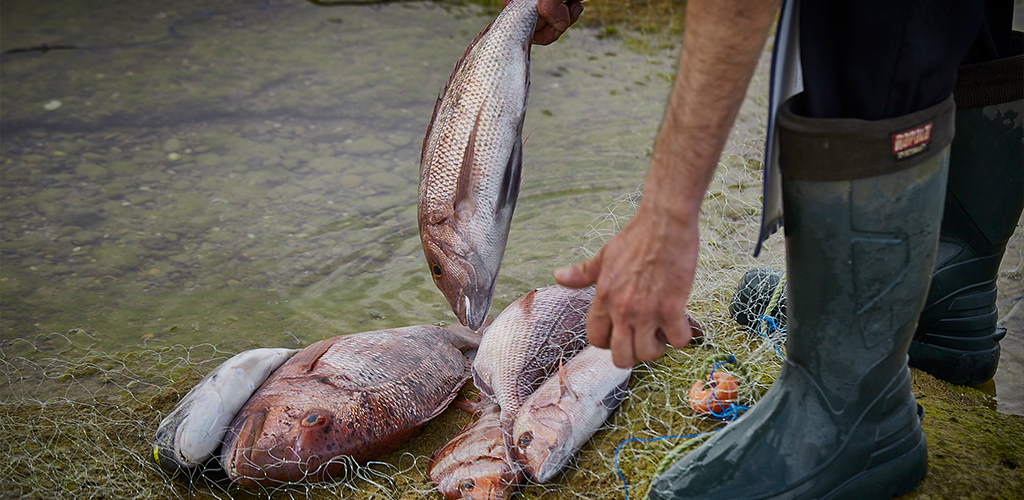
 El cas c o histórico de Cádiz es un maravilloso lugar por el que pasear, perderse por las callejuelas del barrio de La Viña , llegar hasta La Caleta o subir a la Torre Tavira para ver todo desde otro punto de vista. En carnaval también, aunque en estos días la tranquilidad se vuelve bullicio en cada esquina. Sobre todo, mientras más cerca se esté del Teatro Falla, gran epicentro de la más famosa fiesta de la tacita de plata . Lejos de temer a estos días festivos, hay que atreverse a deambular entre disfraces, coplas, murgas y los mil detalles que envuelven a la gran fiesta gaditana. De paso, también es buen momento para conocer la gastronomía local, que te dejará con el mejor sabor de boca. Abre los ojos, afina las orejas, échale paciencia y nunca pierdas el sentido del humor. ¡Buen provecho! [caption id="attachment_3095" align="aligncenter" width="1024"] 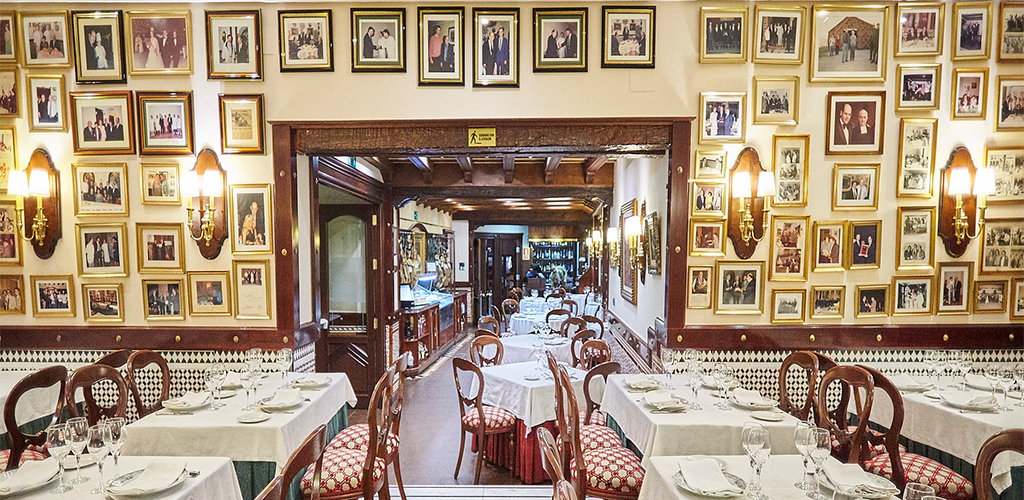 El Faro.[/caption] El Faro · Calle San Félix, 15 Como los faros que iluminan a los navíos que surcan los mares, este restaurante es el guía de los amantes de la gastronomía que pasean por Cádiz. Es cita obligada por su tradición, por la sabiduría y anécdotas que encierran sus paredes . También por saber reinventarse con propuestas innovadoras: s u carta es la perfecta mezcla entre el pasado y el futuro. S us sabores son Cádiz en estado puro. Hay dos opciones: sentarse en sus comedores repletos de imágenes de personajes famosos que han almorzado o cenado allí o dejarse caer por la barra para un tapeo más informal. Sea cual sea, la decisión de ir a El Faro siempre será la buena. Mercado de Abastos · Plaza de la Libertad El mercado central de Cádiz, ubicado en la céntrica Plaza de la Libertad, es una delicia para los sentidos. Pasear por sus puestos es entender lo que el Atlántico regala día a día . Por suerte, además, muchos de ellos surten de materia prima a algunos de los negocios que se han instalado en el rincón gastronómico de este bonito mercado. Un lugar en el que, además, se puede disfrutar de productos frescos de la Sierra de Cádiz o sushi con toques gaditanos. También hay empanadas, cocina cordobesa, propuestas llegadas desde Argentina o los mejores vinos e ibéricos. En la variedad está el gusto. [caption id="attachment_3096" align="aligncenter" width="1024"]
  Productos de primera calidad del Atlántico.[/caption] El Laurel · Obispo Urquinaona, 3, Salpicón de marisco, pavía de merluza, cazón en adobo, medallón de solomillo al Pedro Ximénez, brochetas de atún con langostinos, marrajo al ajo perejil, albóndigas de choco, sardinas en vinagre… la lista de tapeo es casi infinita en las pizarras que cuelgan en las paredes del bar El Laurel. Es uno de esos sitios alejados de modernidades y con pinta de vieja tasca . Es el espacio perfecto para respirar la mejor tradición del tapeo andaluz. Freiduría Las Flores · Plaza Topete, 4 Pocas cosas más típicas de Cádiz que una freiduría. Un lugar donde huele a aceite, a pescado frito y al arte que tienen los cocineros locales en freír a la perfección desde unas gambas a unos choquitos. Su cazón en adobo es una delicia y sus diferentes aliños, también. Si no apetece sentarse en alguna de sus mesas -donde a veces las palomas son difíciles rivales para coger sitio, como casi en cualquier terraza de Cádiz- también se puede pedir para llevar en los clásicos cartuchos de papel de estraza. Son perfectos para seguir paseando entre coplas carnavaleras. [caption id="attachment_3094" align="aligncenter" width="1024"]
 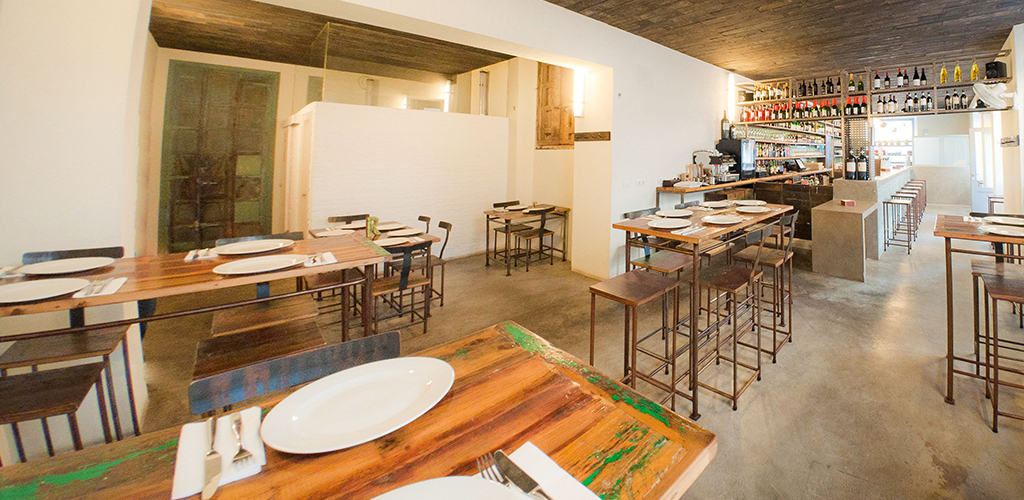 Ultramar & nos.[/caption] Ultramar & nos · Calle Enrique de las Marinas 2 duplicado Alitas picantes, saam de pescado, taco de atún, curry de pollo o pulpo braseado son solo algunos de los deliciosos bocados que se pueden encontrar en este precioso rincón, que nació en 2015 gracias a la iniciativa de los hermanos Francisco y Tomás Ruibal y el chef Pancho Jiménez. Ocupa el espacio vacío que dejaron los ultramarinos Barreda, junto a la Plaza de la Mina. Es ese tipo de lugares tan formales como informales donde comer es toda una diversión y se mezclan, tanto en la mesa como en la conversación, dejes gaditanos con los internacionales. Casa Manteca · Corralón de los Carros, 66 Estar en Cádiz y no pasar por Casa Manteca es casi una traición al hecho de viajar. Es uno de los sitios más clásicos de la ciudad y, aunque cada vez llegan más turistas, aún no ha perdido su esencia. Dicen que aquí aprendió Sarkozy el compás tres por cuatro, y entre sus paredes se pueden conocer historias que jamás creerías si las contaran en otro lugar. No dispone de cocina, pero sí de multitud de tapas y vinos para acompañarlas que te harán pedir una, otra, otra y otra hasta el infinito. Sobre todo, al probar delicatessen tan locales como los chicharrones o el queso payoyo con mermelada de espárragos trigueros. [caption id="attachment_3093" align="aligncenter" width="1024"]
 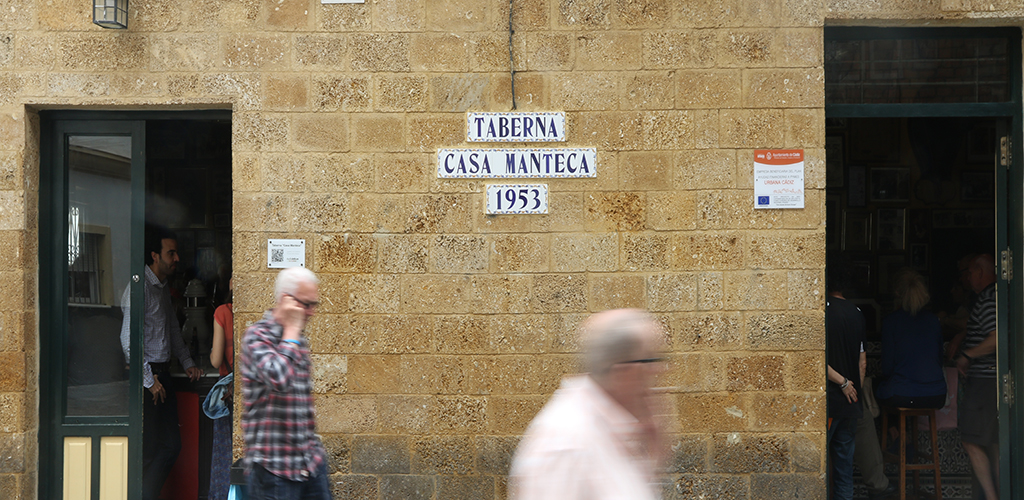 Casa Manteca.[/caption] La Poeme · Alcalá Galiano, 3 Es probable que el carnaval enganche. Y que la tarde se convierta en noche, la noche en madrugada y la madrugada, en amanecer. A esas horas, nada como sentarse a disfrutar de un rico desayuno. Un clásico es acercarse hasta alguno de los muchos lugares donde sirven un exquisito chocolate con churros, como la cafetería La Marina Uno (en el número 1 de la Plaza Topete) o los puestos que hay en el mercado de abastos. Pero, para quien quiera dar un paso más allá, uno de los lugares más interesantes es, sin duda, La poeme . Su maestro pastelero es el belga David Luguet , que ha sabido traer todo el buen trato y conocimiento de Bélgica y Francia a un precioso rinconcito en Cádiz. La bollería francesa, con sus maravillosos cruasanes caseros como gran ejemplo , es su especialidad. Perfecto para arrancar el día con energía… y repetir la ruta gastronómica.

 X
X 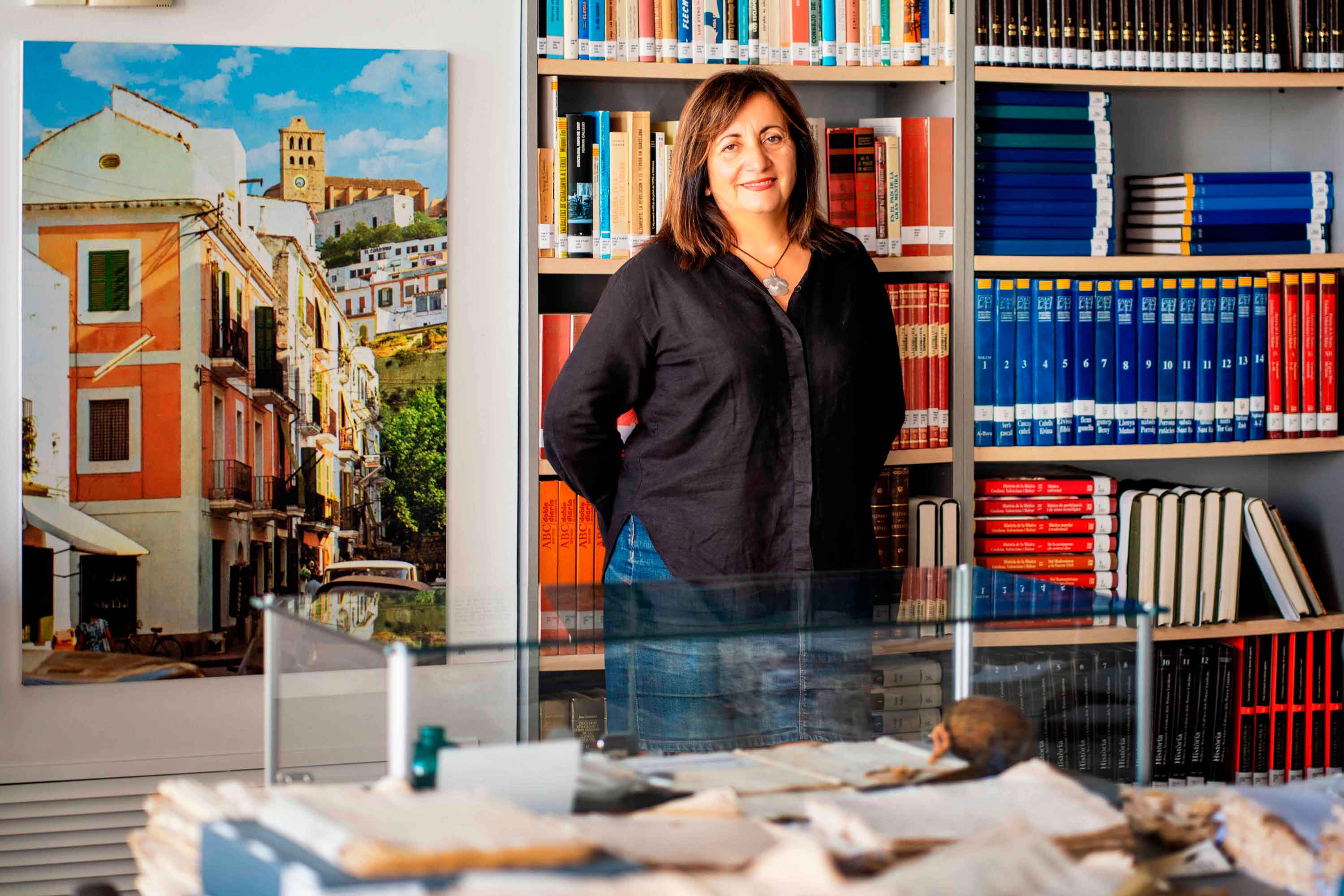
Historias del mar
Fanny Tur: «Baleària ya forma parte de la historia del transporte marítimo»
Ibicenca, activista medioambiental, historiadora, directora del archivo histórico de Eivissa… Fanny Tur Riera desempeñó, entre otros cargos públicos, el de consellera de Cultura del Govern Balear entre 2017 y 2019. Desde esta perspectiva, su análisis con visión histórica cobra valor: «Baleària ya forma parte de la historia del transporte marítimo de las Balears y del Mediterráneo», afirma antes de reflexionar sobre lo que supuso la irrupción de la naviera, ya que «los monopolios nunca son buenos y diversificar la oferta siempre tiene que beneficiar al usuario». En clave cultural y de género, esta historiadora destaca de la naviera Baleària cuestiones como «la atención en y al catalán, o poner nombres de mujer a algunos barcos, mostrando que la historia también la escribimos las mujeres». Desde la perspectiva ecologista, Tur Riera valora el compromiso de Baleària con la sostenibilidad partiendo de que «la actividad humana en general y el turismo y la gran movilidad en particular tienen unos efectos devastadores sobre el mar y el territorio». En este sentido, destaca, «todas las medidas que se pongan en práctica para minimizar los efectos de la masificación, como por ejemplo emplear energías renovables y colaborar con entidades ecologistas, ponen un grano de arena en una lucha que hace tiempo es imprescindible para la misma supervivencia». Pero si algo destaca de la aportación de Baleària esta exconsellera de Cultura del Govern Balear es el papel desempeñado por la Fundación Baleària, que ha hecho que «la creación pueda viajar a nuevos escenarios y no se quede en el lugar de origen. Para enriquecerse y crecer, el arte y la creación se tienen que mover mientras conservan sus raíces bien fuertes». Y ello, subraya, en combinación con la gestión de espacios culturales «en diferentes lugares —lo que desde la Fundación Baleària llaman las Llonges de la Cultura—, facilitando así que puedan acoger actividades, encuentros, investigación, muestras colectivas y creadores de todo el país para que se puedan encontrar y enriquecerse mutuamente» porque, reflexiona, «el arte y la investigación son trabajo propio, pero también son puesta en común y conocimiento mutuo». Creación cultural «En definitiva —asegura Fanny Tur— Baleària a través de su fundación ha hecho posible que la creación tenga movilidad, circule, se muestre en nuevos escenarios, porque así crece y encuentra nuevos paisajes… ha contribuido a la relación y el conocimiento mutuo entre creadores, facilitando que se encuentren, se conozcan y, en definitiva, que establezcanvínculos». En el caso de Balears, Fanny Tur considera que la de Baleària y de su fundación han sido una magnífica aportación favorecedora de la articulación social y cultural, además de subrayar la revitalización que ha supuesto la conexión, en todos los ámbitos, entre Dénia y Eivissa.
Read more

Historias del mar
De grumete a capitán. Vocabulario marítimo básico (I)
¿Dónde queda babor y estribor? ¿Cuál es la diferencia entre manga y eslora? Seguro que has oído una y mil veces términos como estos pero todavía te siguen generando dudas cuando subes a bordo de un ferri. No te preocupes, hemos preparado un glosario básico de léxico marítimo para que alimentes tu vocabulario y disfrutes todavía más de tu experiencia de viaje. Deja atrás tus titubeos de grumete y presume de hablar con la propiedad de un capitán. ¿Empezamos? PARTES DEL FERRI CASCO. El cuerpo del buque. La estructura ‘en neto’, sin máquinas, mástiles ni elementos accesorios para la navegación. CUBIERTA: Cada uno de los pisos de una embarcación. Forman la estructura que permiten un espacio habitable para la tripulación y el pasaje. Los barcos tienen varias cubiertas, tanto para la bodega -donde se ubica la carga y los vehículos- como para las zonas de pasajeros –con salones, áreas de butacas, restaurantes, etc.- siendo la principal la superior. QUILLA: Es la columna vertebral del barco. La pieza de hierro que va de popa a proa por la parte inferior del barco y en que se asienta toda su armazón.Constituye el principal refuerzo estructural de la embarcación, en el que se encastan los demás y sobre el que descargan su peso. [caption id="attachment_1776" align="aligncenter" width="800"] Corte transversal del ferri Martín i Soler de Baleària, donde se diferencia el casco, la quilla y las diferentes cubiertas.[/caption] VOLUMEN Y DIMENSIONES ESLORA: La longitud de la embarcación. O dicho de otra manera, la distancia de punta a punta de la estructura del buque. MANGA: La anchura (máxima) de un buque. PUNTAL. La altura de la bodega de la nave desde la quilla hasta el extremo de la cubierta superior. DESPLAZAMIENTO: El volumen de agua que desplaza la parte sumergida del barco. Es decir… el peso del barco. Ahora se entiende mejor ¿verdad?. POSICIÓN EN EL BARCO PROA y POPA. La proa es la parte delantera del barco. Tiene forma de cuña para que el buque pueda "cortar el agua”. Por el contrario, la popa es la parte posterior de la estructura del buque. BABOR y ESTRIBOR. Por babor se considera el lado izquierdo de un buque, mirando desde atrás hacia delante, esto es de popa a proa. Estribor es la banda o lado derecho de un buque, mirando desde atrás hacia delante, esto es de popa a proa. OBRA VIVA y MUERTA. La viva es la parte del casco bajo el agua. Es decir, desde la quilla a la línea de flotación a máxima carga. La muerta, la parte del casco que sobresale del mar MANIOBRAS ARRIAR. Aflojar o soltar un cabo (las cuerdas de a bordo). También se utilizan los términos LASCAR (aflojar) y LARGAR (soltar). Una advertencia: a bordo de los barcos sólo hay una cuerda, la del cronómetro. Las demás se llaman CABOS (y en los barcos grandes ESTACHAS). VIRAR. Lo contrario de arriar, es decir COBRAR o recuperar un cabo o el ancla, cuando el buque se encuentra fondeado. Por cierto, la maniobra de virar es propia de buques de vela y no tanto de ferris. ATRACAR. Operación para ubicar el buque en el lugar previsto del muelle. Concluye en el momento en que la embarcación AMARRA (o ata firmemente) el último cabo al NORAY o bolardo del muelle. Por cierto, la maniobra contraria a ATRACAR ser llama DESATRACAR. Lógico ¿no? BARLOVENTEAR. Maniobrar aprovechando la fuerza viento (a favor o en contra) para que el impulso sea lo más favorable a la embarcación. Por ejemplo, en el caso de una operación de atraque. CAPEAR. Se trata de una maniobra de navegación con mal tiempo. Consiste en tratar de mantener la proa al viento y con poca velocidad, para conseguir una trayectoria controlada y segura hasta que amaine el temporal. FONDEAR. Posicionar el buque en aguas establecidas para el anclaje. Y hasta aquí, por esta vez. Si quieres seguir aprendiendo sobre ferris y transporte marítimo, sigue navegando con el blog Entreolas y no te pierdas nuestra próxima entrega de vocabulario.
Read more