


Category Filter
El Lazareto, an island within an island
Blog entreolas

El Lazareto, an island within an island


Mahón’s magnificent harbour is home to a spectacular former quarantine fortress on one of its islets, now open to the public and positioning itself as a MICE destination.


Who would not enjoy visiting an island? And what about discovering an island within another island? The impressive natural harbour of Mahón, in Menorca, shelters three islets: Illa del Rei, now an art gallery; Illa Plana, a 10,000-square-metre piece of rock once used for military purposes; and El Lazareto, a former quarantine fortress at the centre of this article, with a history that should not be overlooked when seeking to understand Menorcan culture. The site is open for guided visits and now also hosts events linked to MICE business tourism —meetings, incentives, conferences and exhibitions. It is an ideal addition to a break on the smallest of the Balearic Islands with your ferry company, Baleària.


In Spain, historical epidemics led to the creation of lazarettos, hospitals where travellers arriving by sea were taken to complete a compulsory quarantine period and prevent the spread of the most common diseases of the time.


With this purpose, the Count of Floridablanca, minister to the enlightened King Charles III, ordered the construction of Mahón’s Lazareto in 1793, with work continuing until 1817. It served as a hospital for a century and, after several different periods of use, later became a convention and meeting centre among other functions. Today, following extensive restoration, the site is open to the public through guided tours that reveal its history. It is estimated that more than 400,000 people passed through the facility, reflecting Menorca’s strategic importance on Mediterranean trade routes.


Despite the harmony and peace conveyed by El Lazareto, its quiet walls preserve stories of genuine tragedy. One unavoidable stop on the visit is the communal ossuary, where those who succumbed to terrible diseases were laid to rest. At the gentler end of the experience are the elegant gardens surrounding period buildings whose architecture invites visitors to travel back in time and understand the importance these facilities once had. Its beauty and historical significance explain why it was declared an Asset of Cultural Interest in 1993.


Walking around the different parts of the islet is complemented by the necessary boat trip, departing from the charming quay at Cales Fonts. The crossing takes barely ten minutes, carrying visitors into this unusual place of isolation.


To recover and encourage new uses for the site, the Fundación Fomento del Turismo de Menorca and the Consell Insular de Menorca have backed the transformation of El Lazareto into a MICE tourism destination specialising in meetings (meetings), corporate incentive travel (incentives), conferences (conferences) and business events (exhibitions). It is an opportunity for companies looking to offer a different experience connected with their brand.


If you would like to learn more about El Lazareto or visit it, click here for further information.


Asset Publisher
Ibiza: much more than nightclubs
Guías de viajes

Ibiza: much more than nightclubs

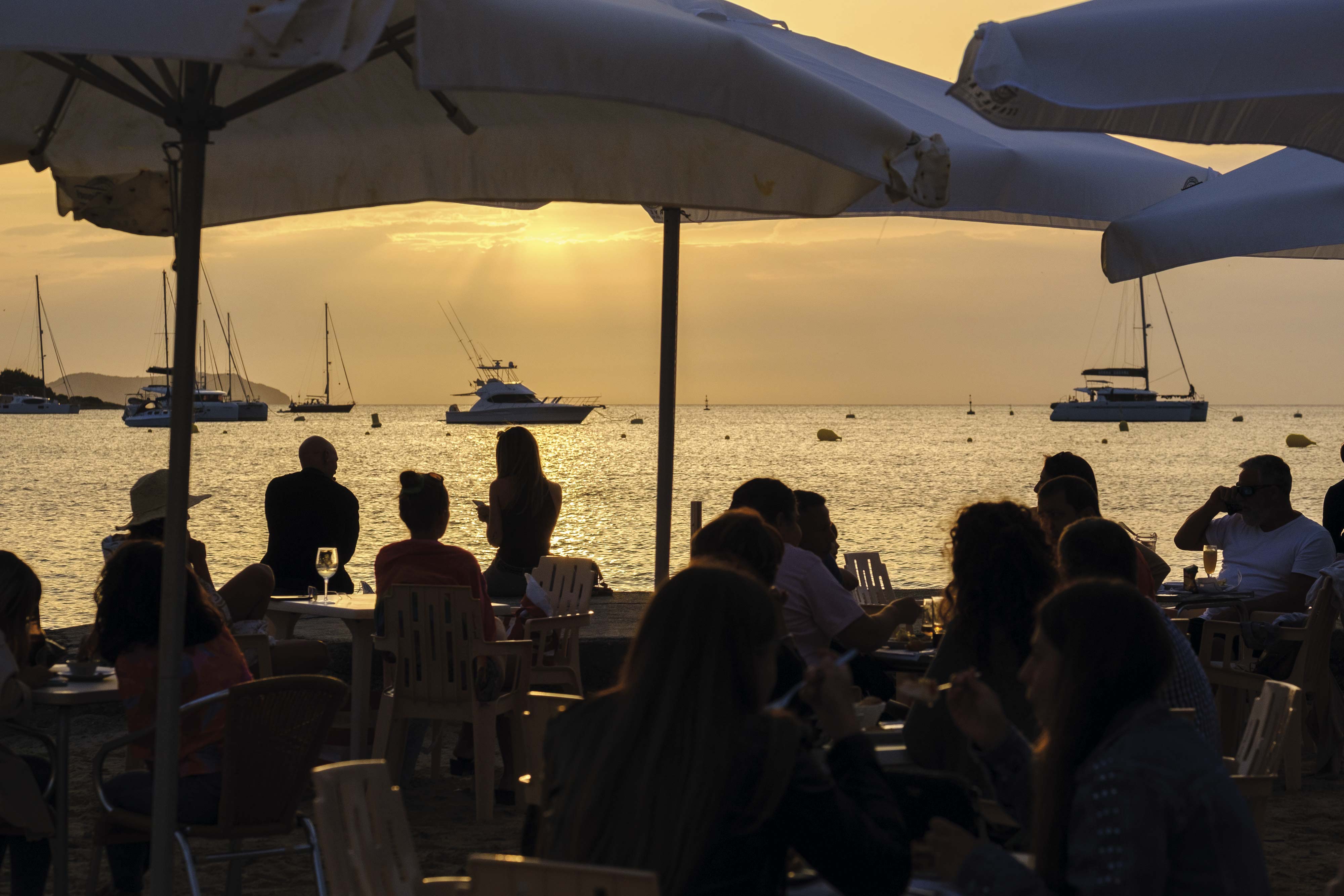
  Ibiza was the tourist destination that weathered the Covid crisis best in 2021, when restrictions were still preventing clubs from opening. Its coves, food, markets and rich cultural heritage, recognised as a World Heritage Site, help explain why the island remained so popular even at the worst point of the crisis.   At 572 square kilometres, every part of the island is easy to reach. Even so, you always leave wishing you had a few more days to continue discovering everything it has to offer.   Day 1: 09:00 Breakfast in Santa Gertrudis. This is the heart of the island, one of its most picturesque villages and a place renowned for its food scene. The pedestrianised centre is packed at night, but in the morning it is also the perfect place for breakfast away from the tourist rush. Two good choices are the classic Bar Costa, with sandwiches made with tomato bread and cured meats, or the cosmopolitan Musset Café, with a varied brunch including vegan options.   Santa Gertrudis 10:00 The “fameliar” bridge. In just 15 minutes by car you reach Santa Eulària des Riu, which takes its name from having the only river in the Balearic Islands. Today, only a channel of brackish water remains in its final stretch, but the walk from the old bridge is well worth doing. Legend says one of the little creatures of Ibizan mythology is born here: the fameliar.   11:00 The fortified church. A few metres from the bridge stands Puig de Missa, a hill crowned by the finest example of the fortified churches that centuries ago offered shelter from Barbary raids.   Puig de Missa, with the Mediterranean in the background 12:00 Snorkelling on the northern beaches. The north of the island is known for its rugged coast, broken up by sandy coves and dotted with small islets. This landscape makes it an ideal place for snorkelling. One good example is found in bahía de Xarraca, with the cove of the same name, the corner of S’illot des Renclí and Cala Xuclar. 15:00 Lunch by the sea. At S’illot des Renclí there is a good restaurant for trying the iconic bullit de peix, a fish stew served in two courses with arroz a banda, while secluded Cala Xuclar has a small beach bar serving fresh fish.   “Bullit”, a typical Ibizan dish 18:00 The village of the markets. Sant Carles was the epicentre of the hippies and nearby are the island’s two emblematic markets: Punta Arabí, open on Wednesdays, and Las Dalias, a place of pilgrimage every Saturday and on Monday, Tuesday and Sunday evenings. 21:00 Starting the evening. Opposite Sant Carles church is Ca n’Anneta, a bar where time seems to have stood still. Its reputation comes from its popular tapas, montaditos and, above all, a famous homemade herbal liqueur. Day 2: 09:00 Breakfast facing the city walls. The Croissant Show is famous for French-pastry breakfasts opposite Portal de ses Taules, the main entrance through the Renaissance walls of the island’s capital.   09:30 Dalt Vila, a World Heritage Site. Inside the citadel, the essential sights include Santo Domingo Church, the cathedral and the seven bastions. It is also worth wandering aimlessly through the narrow streets and relaxing with a cocktail, fresh juice or a good tapa at S’Escalinata. Its stone staircase and colourful beanbags make it one of the most photographed corners of Dalt Vila.   S’Escalinata in Dalt Vila is an excellent choice for tapas and drinks 11:30 The Phoenician-Punic cemetery. After leaving through Portal Nou, you reach the entrance to the Museo d’Es Puig des Molins, dedicated to the most important Phoenician-Punic necropolis in the Mediterranean. The visit includes the hypogea, underground burial galleries excavated from the 7th century BC onwards. 13:00 Archaeological sites. The historical route is completed by two sites whose locations alone make them worth visiting. The Phoenician settlement of Sa Caleta, beside a small fishing cove, was the island’s first urban centre. Fifteen minutes away by car, the rural settlement of ses Païsses de Cala d’Hort contains Punic, Roman and Byzantine remains as well as the traditional farmhouse of Can Sorà. 15:00 Lunch facing es Vedrà. The majestic islet of es Vedrà dominates the view all the way to Cala d’Hort. You can keep enjoying it over excellent rice dishes at Restaurante El Carmen followed by an afternoon on the beach. 20:00 Sunset in Portmany Bay. The southern side of the bay has become increasingly popular for sunset views thanks to places such as the Es Puetó beach bar, the chill-out area at Kumharas and the new auditorium at Es Caló de s’Oli. 21:30 Dinner in the gastronomic capital. Sant Antoni cemented its reputation as a culinary hotspot after Es Tragón earned the first of the island’s two Michelin stars. In the old town, historic Es Rebost de Can Pratsremains one of the leading references for traditional local cuisine.


Read more
Mallorca: los secretos del bosque de Bellver
Guías de viajes

Mallorca: los secretos del bosque de Bellver

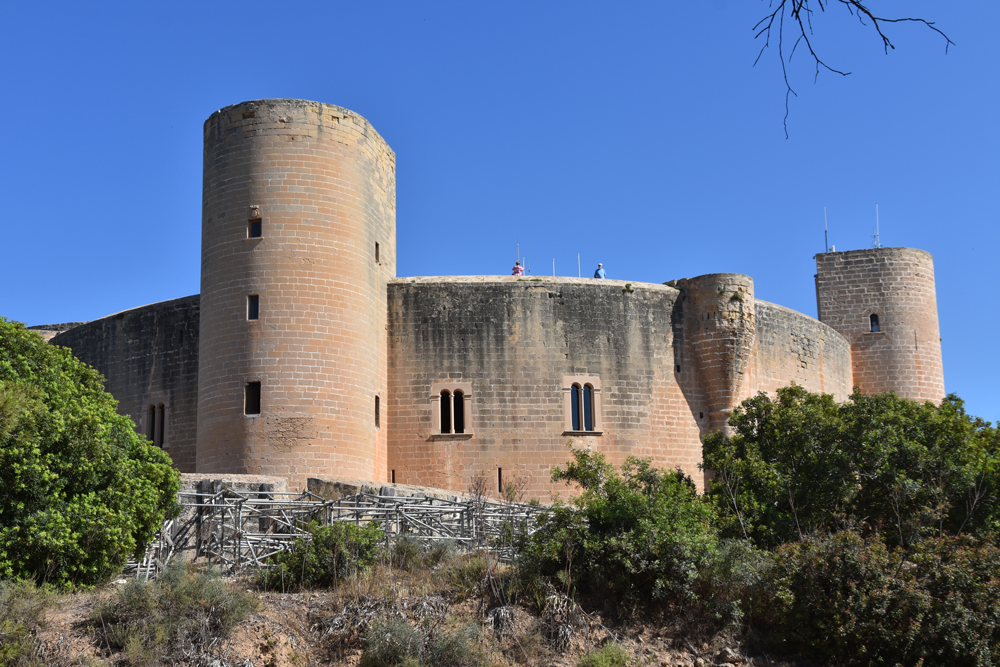
  El bosque de Bellver se considera Parque Histórico Natural, y es de titularidad municipal desde 1931.   Ocupa una superficie de 126 hectáreas y es el espacio de dominio y uso público más extenso de Palma. Se encuentra a tan solo 3 kilómetros del centro de la ciudad y se puede acceder en transporte público.   Sa Pujada El camino original al Castillo de Bellver parte de la plaza Gomila. Por la calle de Bellver, entre modernas construcciones de los años 70 y bellos edificios modernistas de principios del siglo XX, llegamos al acceso principal y más antiguo del interior del bosque que viste la montaña conocida como El puig de la Mesquita (topónimo recogido en época medieval). Esta vía fue construida en 1859, sobre el viejo trazado original, con motivo de la visita de la reina Isabel II a Palma. La escalinata, larga y empinada, que tenemos justo enfrente es la que se conoce popularmente como Sa pujada y constituye un paseo muy concurrido por deportistas y visitantes.     Capilla de San Alonso Rodríguez Se encuentra a medio camino, entre el portal del bosque de Bellver y el castillo, a mano derecha de Sa pujada. La capilla de San Alonso Rodríguez fue construida entre 1883 y 1885 en el lugar donde, según una tradición local, la Virgen María se le apareció al santo portero de Monte Sión (conocida iglesia y convento de los jesuitas en el centro histórico de Palma desde el siglo XVI), hacia el año 1572, para secarle el sudor y aliviarle de un súbito malestar que a punto estuvo de acabar con su vida.       El Castillo de Bellver Concebido como residencia real, el Castillo de Bellver se halla situado sobre un montículo a 112,6 metros de altura sobre el nivel del mar, dominando la bahía y gran parte de la isla de Mallorca. Su construcción se inició en 1300 por orden de Jaime II, rey de Mallorca. Los trabajos de la mole duraron nueve años y los de ornamentación se terminaron más tardíamente.     Las Cuevas de Bellver Todo el material necesario para la construcción del castillo -miles de sillares de marés (arenisca)- se extrajo de unas canteras situadas en el interior mismo de la montaña, a unos 35 y 70 metros por debajo del patio de armas. Ocupan una superficie de 30.000 m2 y sus accesos se encuentran próximos a las instalaciones de la sección montada de la Policía Local de Palma (acceso a pie por la esplanada del aparcamiento superior). Durante la Guerra Civil (1936-1939) se habilitaron como almacén militar de combustible y munición. Actualmente no se pueden visitar porque no reúnen las condiciones de seguridad necesarias para grandes grupos de personas.       Un polvorín del siglo XVII Des de la esplanada de juegos infantiles podemos salir al barrio del Terreno -conocido así por haber sido edificado a mediados del siglo XIX sobre un terreno del Real Patrimonio del Estado- y regresar a la plaza Gomila por la calle Polvorín, topónimo que nos remite a la posible existencia de un almacén de munición en el siglo XVII (1686) en el interior del bosque de Bellver. Durante este breve recorrido podemos identificar las casas que ocuparon en tiempos pasados importantes escritores y artistas de la talla de Santiago Rusiñol, Gertrude Stein o el nobel español Camilo José Cela Trulock.    


Read more